
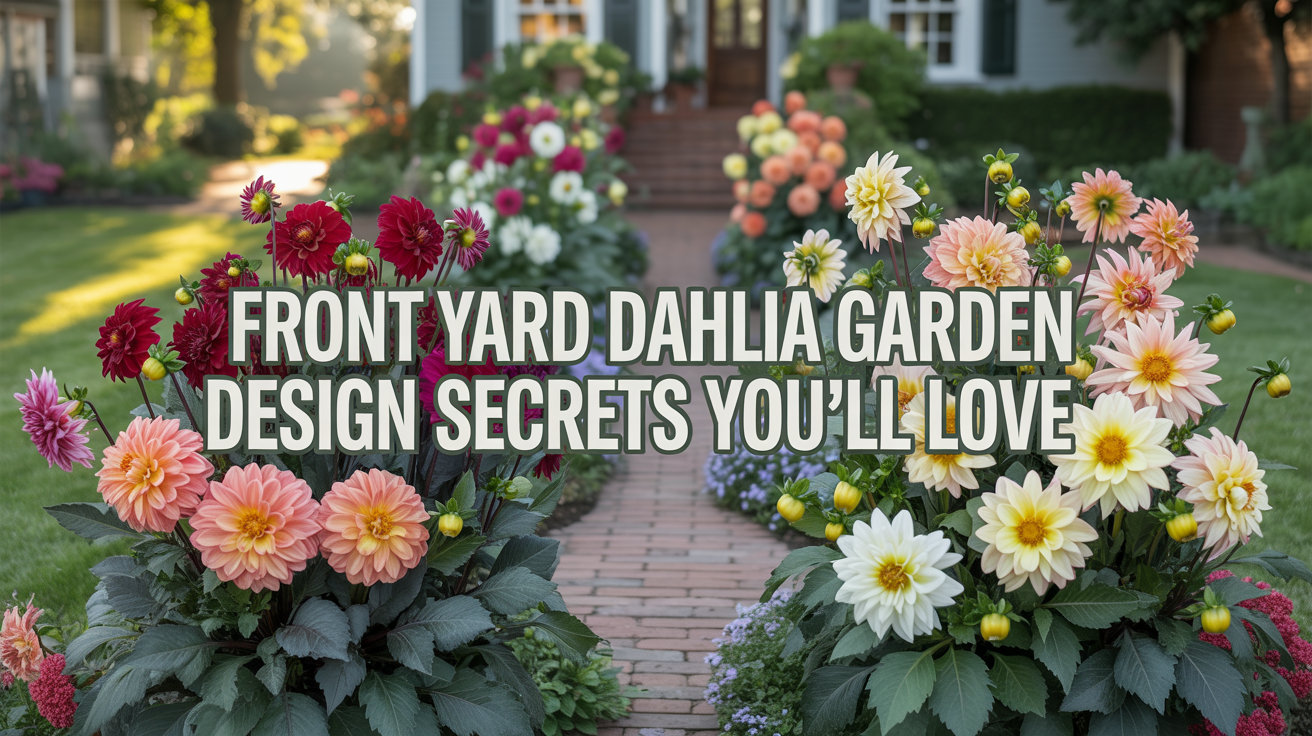

Ever stared at your front yard thinking dahlias would look amazing, but had no clue where to start? You’re not alone. Most gardeners struggle with placing these showstoppers where they’ll actually thrive and turn heads.
This guide walks you through proven design secrets that work in real front yards, not just fancy garden magazines.
You’ll learn exactly where to plant dahlias. We’re covering spacing, height placement, and color combinations that actually make sense.
I’ve spent fifteen years growing dahlias in front yards across different climates and soil types. These aren’t complicated designer tricks or expensive makeovers. Just practical advice from someone who’s killed plenty of dahlias, learning what works.
By the end, you’ll have a clear plan to create a front yard dahlia garden that looks professionally designed but feels completely you.
Why Choose Dahlias for Your Front Yard Garden?

I’ve grown dahlias in my front yard for years. They deliver color and impact like no other flower. Most flowers fade by late summer. Dahlias don’t. They bloom from midsummer straight through to frost. Your front yard stays vibrant.
Dahlias come in every size you need. Short varieties reach 12 inches. Tall ones grow to 6 feet. You can use compact dahlias for borders. Plant tall ones as focal points near your entrance. The colors? Many.
Dahlias need basic care. Water them regularly. Feed them every few weeks. Deadhead spent blooms. No complicated tricks. Beginners succeed with dahlias. The payoff is huge for the effort you put in.
Planning Your Front Yard Dahlia Garden Design
Planning matters more than planting. I’ve learned this the hard way. A well-designed dahlia garden looks intentional, not accidental.
Assessing Your Space

Start by checking your sunlight. Dahlias need 6-8 hours of full sun every day. Stand in your front yard at different times. Watch where the sun hits. No sun, no blooms.
- Well-draining soil that doesn’t puddle after rain
- Easy access to a hose or water source
- Clear pathways and entry points for maximum visual impact
Think about your front yard layout, too. Where do people walk? Where do they look first? Your entry points and pathways determine where dahlias make the biggest impact.
Choosing the Right Layout

Your layout should match your home’s style. Not fight against it. I’ve seen gorgeous dahlias look wrong because the design clashed with the house.
- Formal Design: Symmetrical rows or geometric beds for traditional homes
- Cottage Style: Mix dahlias with lavender, foxgloves, and cosmos for a natural flow
- Modern Minimalist: Use uniform color blocks or single-color schemes for clean lines
Each style works. Just stay consistent. A cottage-style garden on a modern home looks confused. Match your architecture.
Bed Size and Spacing

Spacing determines how your dahlias grow. Too close? They compete and suffer. Too far apart? Your garden looks sparse.
- 12-18 inches apart for dwarf dahlias
- 18-24 inches apart for tall varieties
- Add paths or edging plants for a clean definition
Raised beds work beautifully in front yards. They improve drainage naturally. They add structure and height. Good spacing means healthier plants and a better-looking yard.
Picking the Perfect Dahlia Varieties

Choosing the right dahlias makes or breaks your front yard design. I’ve planted dozens of varieties over the years. Height matters most. You need the right size in the right spot.
- Compact Dahlias for Borders and Edges: Short varieties like ‘Gallery Art Deco’, ‘Bishop of Llandaff’, or ‘Melody Harmony’ stay 12-18 inches tall. Perfect for walkways, containers, and clean borders.
- Medium Varieties for Layered Designs: Mid-height dahlias like ‘Crichton Honey’ or ‘HS Date’ grow 2-3 feet tall. They fill the middle space and create depth between your short and tall plants.
- Tall Statement Dahlias for Focal Points: Showstoppers like ‘Café au Lait’, ‘Kelvin Floodlight’, or ‘Thomas Edison’ reach 4-6 feet. Plant them near entrances or as dramatic centerpieces that command attention.
How to Plant Dahlias the Right Way
Planting dahlias isn’t complicated. But doing it right from the start saves you problems later. I’ll show you exactly what works.
Soil Preparation

Your soil determines everything. Good soil equals strong dahlias. Poor soil? Weak plants that struggle all season.
- improve soil with compost or well-rotted manure before planting
- Maintain pH between 6.5 and 7.0 for best growth
- Avoid soggy or clay-heavy spots that hold too much water
Test your soil first. Add what it needs. Then plant. Dahlias need nutrients and drainage. Skip this step and you’re setting yourself up for disappointment.
Planting Steps

Timing matters as much as technique. Plant too early and tubers rot in cold soil. Wait for the right conditions.
- Plant tubers after the last frost when the soil reaches 60°F (15°C)
- Dig holes 6-8 inches deep and position tubers horizontally
- Place the eye (growth point) facing upward, then cover lightly
Here’s what most people get wrong. They water too much at first. Don’t. Water sparingly until you see shoots breaking through the soil. Overwatering before growth starts causes rot. Let the tuber wake up naturally.
Container Planting for Small Front Yards

No garden space? No problem. Containers work beautifully for dahlias, especially in small front yards.
- Use pots that are 12-14 inches deep with drainage holes
- Compact dahlia varieties thrive in containers on patios or entryways
- Place them strategically where they create the most visual impact
I’ve grown beautiful dahlias in pots flanking my front door. They get the same care as garden plants: good soil, regular water, and feeding. The bonus? You can move them around. Rearrange your design anytime. Try that with in-ground plants.
Care and Maintenance for a Thriving Dahlia Garden
Dahlias reward consistent care. I check mine every few days during the growing season. Small efforts add up. Skip the basics and your blooms suffer.
- Watering and Feeding: Keep soil consistently moist but not soggy, water deeply at the base. Fertilize monthly using a low-nitrogen mix (5-10-10) after shoots appear for better blooms.
- Staking and Support: Use bamboo stakes or tomato cages for tall varieties and install them at planting time. Tie stems loosely with soft twine as plants grow to prevent wind damage.
- Pruning and Deadheading: Pinch growing tips when plants reach 12 inches tall to promote bushier growth. Regularly remove spent blooms every few days to encourage continuous flowering.
- Pest and Disease Management: Common pests include aphids, spider mites, and slugs. Use neem oil or insecticidal soap for organic control. Ensure good air circulation by spacing plants properly to prevent mildew and rot.
- Seasonal Care: Stop fertilizing 4 weeks before the first frost and check ties regularly to prevent stem damage. Remove any yellowing or diseased leaves immediately to keep plants healthy.
Front Yard Design Ideas and Inspiration
Designing my front yard dahlia garden was one of the most rewarding parts of my gardening experience. I learned that small details, color, placement, and height can completely change how your space feels. If you’re planning your own layout, here are a few ideas that make a big difference.
- Entryway Planting: I love framing my walkway with compact dahlias for a warm, cheerful welcome. You can mix them with lavender or salvia for soft fragrance and calming contrast.
- Layered Mixed Borders: Place tall dahlias at the back, medium perennials in the middle, and short flowers up front. A touch of alyssum or marigold along the edge gives a clean, finished look.
- Pathway Gardens: Try planting dahlias in symmetrical clusters along your garden path. The repeating color pattern naturally draws the eye and feels balanced.
- Corner Plantings: Bright dahlias in corners can fill awkward spaces with energy and structure. I often use them to anchor my garden design and tie everything together.
- Container and Porch Displays: Small dwarf dahlias in decorative pots look beautiful on steps or porches. Rotate your containers each season to keep your entry fresh and colorful.
Conclusion
Your front yard dahlia garden doesn’t have to be complicated. Start with the basics we covered: choose a sunny spot, mix heights for visual interest, and stick with a simple color palette. These fundamentals work every single time.
You now have everything you need to design a dahlia display that stops traffic. Plant with confidence, knowing your blooms will look intentional and beautiful from the street. The hardest part is just getting started.
Grab your shovel and pick up some tubers this weekend. Your front yard is about to become the one everyone slows down to admire. Got questions about your specific space? Drop a comment below. I’d love to hear what you’re planning or see photos once your dahlias start blooming.
Frequently asked questions
What’s the best location for a front yard dahlia garden design?
Choose a spot that gets at least 6-8 hours of direct sunlight daily. Dahlias need full sun to bloom their best. Pick an area visible from the street for maximum impact, and ensure good drainage. Avoid spots under trees or next to downspouts where water pools.
How many dahlia plants do I need for a front yard dahlia garden design?
Start with 5-7 plants for a small bed, 10-15 for medium spaces. Plant them 18-24 inches apart, depending on the variety size. Odd numbers look more natural than even. You can always add more next season once you see how they fill in.
What colors work best in a front yard dahlia garden design?
Stick with 2-3 colors maximum for a cohesive look. White and burgundy create classic elegance. Pink and yellow feel cheerful. Avoid mixing too many colors, which looks chaotic from the street. Consider your house color when choosing your palette.
When should I plant my front yard dahlia garden design?
Plant dahlia tubers after your last frost date when the soil warms to 60°F. This is typically late April through May in most areas. Planting too early in cold, wet soil causes tubers to rot. Check your local frost dates for precise timing.
How do I arrange heights in my front yard dahlia garden design?
Place tall varieties (4-5 feet) in back, medium (2-3 feet) in the middle, and short border dahlias (1-2 feet) up front. This creates depth and ensures all blooms are visible. Stagger placements slightly rather than straight rows for a natural, professional appearance.


