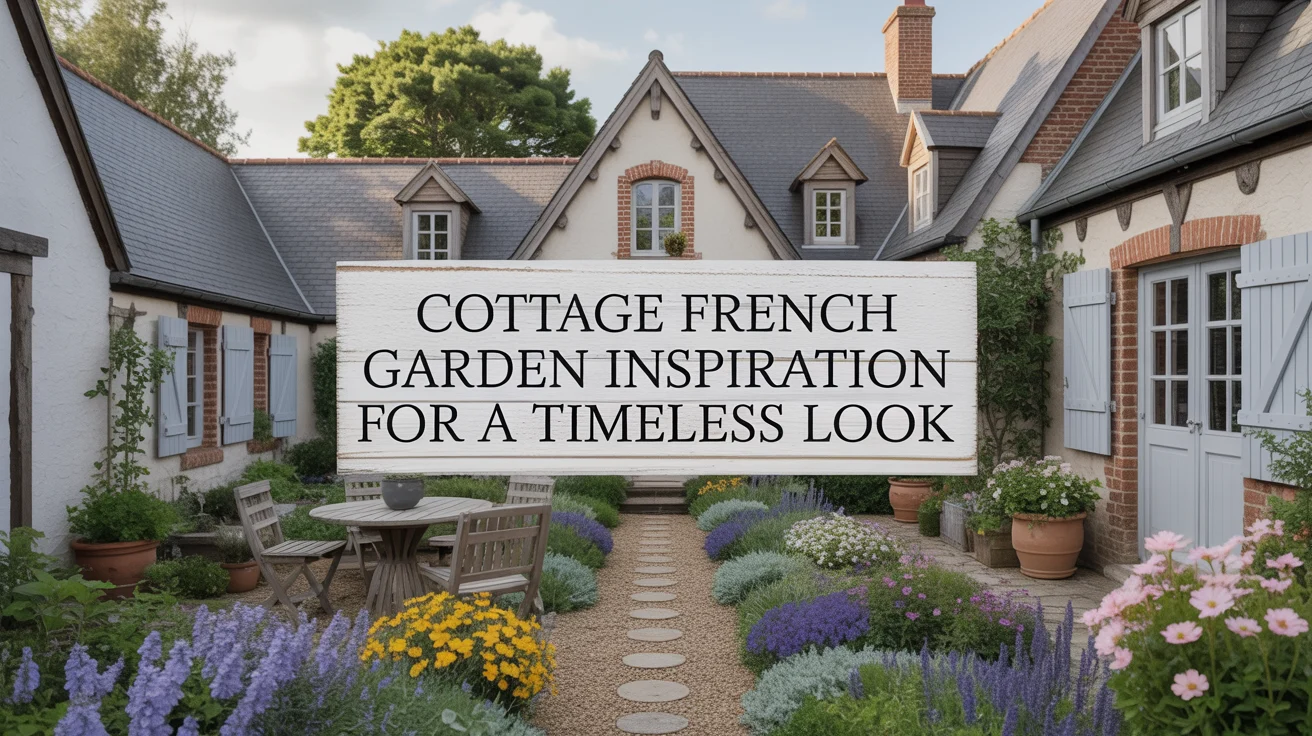

Want that effortless French countryside charm in your garden? You’re not alone. Creating a cottage French garden feels overwhelming when you don’t know where to start. The good news? It’s simpler than you think.
This guide shows you exactly how to design a timeless French cottage garden. You’ll discover the best plants, layout ideas, and simple tricks that work.
I’ll walk you through color schemes, must-have flowers, and easy ways to add that romantic feel. No guesswork needed.
I’ve spent years studying authentic French gardens and testing what actually works in real backyards. These aren’t fancy theories.
They’re practical tips you can use this weekend. If you have a tiny space or a large yard, you’ll find clear steps to create your own French-inspired retreat. Let’s make your garden dreams real.
Planning the Layout for a Cottage French Garden
I’ve learned that the secret to an authentic French garden starts with good bones. You need structure first, then soften it with plants. Think of it like building a house. The foundation matters.
Start With a Clear Structure

French gardens aren’t random. They have ordered hidden beneath the flowers. You’ll notice geometric shapes and symmetry everywhere.
That’s what makes them feel balanced yet romantic.
- Use parterre beds with defined edges and clipped boxwood hedges as borders
- Add low stone walls to section off areas and topiaries as vertical accents
- Place a fountain, birdbath, or pea-gravel circle as your centerpiece
These elements create the framework. Without structure, you just have a wild garden. With it, you have French refined.
Layer Plants for a Natural, Organic Feel

Here’s where the charm happens. You’ve got your structure. Now you soften it with layers of plants. Mix different heights and textures.
- Combine shrubs with flowering perennials and climbing vines on walls or trellises.
- Let self-seeding flowers pop up naturally between structured plantings
- Create intentional chaos, hollyhocks leaning, roses climbing, herbs spilling onto paths
Your garden should look like plants decided to grow there on their own. That’s the beauty of French cottage style. Controlled wildness.
Incorporate Outdoor Living Areas

A French garden isn’t just for looking. It’s for living. You need spaces where you can sit, stroll, and enjoy. Create zones that invite you in.
- Place a small patio or bistro table surrounded by fragrant flowers and lavender
- Add gravel paths that guide movement and lead to hidden benches or seating
- Frame entrances with rose-covered arches, clipped hedges, or climbing jasmine
Your garden becomes an extension of your home. Walk through it. Sit in it. Live in it. That’s what the French have always understood.
Choosing Plants for a Cottage French Garden
Plant selection makes or breaks your French cottage garden. I always start with classics, then add surprises.
You want that romantic, slightly wild look that feels both structured and natural. Let me walk you through the plants that actually work.
- Romantic Perennials: Start with lavender for fragrance, hardy geraniums for ground cover, and Russian sage for silvery tones. Add eupatorium for height and peonies for classic romance. These foundation plants define the French cottage aesthetic.
- Self-Seeding Favorites: Plant phacelia for unusual purple blooms, guara for prairie-style movement, and erigeron for airy flowers. They naturalize beautifully and fill gaps without your help. Let them spread where they want.
- Edible Beauty: Rhubarb adds bold texture and suppresses weeds naturally. Carentan leeks create striking spherical blossoms along borders. Fennel stands tall as a structural statement plant with feathery foliage.
- Height Layering: Mix tall spires like delphiniums, medium fillers like roses, and low edging varieties like thyme. Your garden needs different levels to feel full. Think vertical interest, not just flat beds.
- Seasonal Continuity: Choose a soft color palette, whites, purples, and pinks, and repeat it throughout. Plant spring bulbs, summer perennials, and fall bloomers together. This ensures your garden never looks empty or one-dimensional.
Hardscape & Decorative Elements
Plants bring life to your garden, but hardscape gives it character. I’ve seen simple gardens change with just a few well-placed accents.
You don’t need much, just the right pieces in the right spots. Quality beats quantity every time.
- French-Style Accents: Add wrought iron arbors for climbing roses and vintage urns as focal points. Hunt flea markets for aged statues and pottery. Include rustic wooden benches, stone walls, and antique lanterns. These pieces age beautifully and add instant charm.
- Water Features: Install a small fountain as your centerpiece surrounded by pea-gravel circles. Even a simple birdbath works wonders. The sound of trickling water creates the peaceful French countryside atmosphere you’re after.
- Pathways Matter: Use crushed pea gravel for authentic French garden paths that crunch underfoot. Edge them with low boxwood or lavender. Gravel is affordable, drains well, and looks timeless. Skip fancy pavers, keep it simple and natural.
Expert Tips for Success
I’ve made plenty of mistakes creating French cottage gardens. You don’t have to repeat them. These tips save you time, money, and frustration. Let’s get you growing the smart way.
Plan Before You Plant

Rushing into planting is tempting. I get it. But spend time visualizing your layout first. Think about space, color relationships, and how tall plants will grow.
Walk your garden at different times of day. Notice where the sun hits and where shadows fall. Test your soil, is it clay, sandy, or loamy? Check drainage after rain. These details matter more than you think.
Start Smart, Budget & Maintenance

You don’t need a fortune to create beauty. I focus on perennials that return year after year. They cost more upfront but save money long-term.
- Save seeds from existing plants at season’s end
- Divide perennials in spring or fall for free plants
- Join local plant swaps to trade varieties with neighbors
Your garden can grow without draining your wallet. Work with what you have and build gradually.
Use the No-Dig Method

Digging destroys soil structure and brings up weed seeds. I stopped digging years ago. The no-dig method changed everything for me.
Layer compost on top of your beds each season. Let worms do the work. Your soil gets richer, weeds reduce dramatically, and plants thrive. Charles Dowding is the expert here. Look up his resources if you want to learn more.
Understand Climate and Frost Timing

Planting too early kills tender plants overnight. I check my last frost date every spring. Wait until the danger passes before adding sensitive varieties.
Know your hardiness zone and choose plants accordingly. Protect borderline plants with cloches or row covers during cold snaps. Your local extension office has free frost date information for your exact area.
Don’t Aim for Perfection

Here’s the truth: gardens are never “done.” They evolve, change, and surprise you. Some plants fail. Others thrive beyond expectations. That’s the beauty of it.
Embrace the natural growth process. Let plants seed themselves in unexpected places. Allow hedges to grow a bit wild.
The French cottage garden isn’t about control. It’s about guided chaos. Be patient with yourself and your garden.
Seasonal Care & Long-Term Maintenance
Your French cottage garden needs attention throughout the year. Not constant fussing, just smart seasonal tasks. I spend less time maintaining than you’d think. The key is doing the right things at the right times.
- Pruning & Deadheading: Remove spent blooms regularly to encourage repeat flowering on roses, lavender, and perennials. Cut back enthusiastic spreaders like geraniums before they take over. Prune roses in late winter and shape boxwood hedges twice yearly. This keeps everything looking intentional, not overgrown.
- Overwintering Plants: Mulch tender perennials with compost before the first frost arrives. Cut back dead foliage in late fall, but leave some seed heads for winter interest. Protect marginally hardy plants with burlap or move containers to sheltered spots. Your garden will bounce back stronger in spring.
- Supporting Pollinators: Choose nectar-rich varieties like lavender, echinacea, and salvias to support bees and butterflies. Pollinators need you. Plant in drifts rather than singles so insects can find flowers easily. Avoid pesticides and leave some areas a bit wild for nesting habitat.
Inspiration & Design Ideas to Try
Your garden can be more than just pretty plants. I love creating distinct zones that each serve a purpose. Think of your garden as different rooms outdoors. Each space tells its own story.
- Themed Zones: Break your garden into distinct areas like a potager section mixing vegetables and herbs, or a lavender-lined entry pathway. Create a secret seating corner surrounded by climbing roses. Start with one zone and expand over time. You’re building garden rooms that flow together naturally.
- Sensory Sight: Layer colors and varied plant forms throughout your space, tall spires behind rounded mounds. Mix soft pastels with silvery foliage for depth. Include evergreen structures so your garden looks beautiful even in winter. Visual interest keeps you coming back.
- Smell & Texture: Plant lavender, thyme, and roses along pathways where you’ll brush against them. Combine smooth stone, weathered wood, and soft feathery foliage for contrast. Add gravel paths that crunch underfoot and a small fountain for trickling water sounds. Your garden becomes a full sensory experience.
Conclusion
Your Cottage French Garden is closer than you think. You now have the plants, colors, and layout ideas to create that romantic countryside feel. No expensive designers needed. Just your vision and these simple steps.
Start with one corner or a few key plants. Gardens grow over time, and that’s part of their charm. You’ve got everything you need to begin today. Trust the process and enjoy watching your space change.
What’s the first thing you’ll add to your garden? Drop a comment below and share your plans. I’d love to hear which ideas excited you most. And if this helped, pass it along to a friend who’s dreaming of their own French-inspired retreat.
Frequently Asked Questions
What is a Cottage French Garden?
A Cottage French Garden combines the relaxed English cottage style with the refined French countryside. It features soft colors, fragrant flowers, gravel paths, and romantic elements like lavender, roses, and herbs. The look is effortless yet refined, creating a timeless outdoor space that feels both charming and sophisticated.
What plants work best in a Cottage French Garden?
Lavender, roses, boxwood, hydrangeas, and herbs like rosemary thrive beautifully. Add peonies, delphiniums, and climbing jasmine for romance. Choose plants with soft colors, whites, purples, pinks, and blues. Mix perennials with herbs for that authentic French countryside feel that lasts year after year.
How do I start a Cottage French Garden on a budget?
Begin small with key plants like lavender and roses. Use gravel instead of expensive hardscaping. Repurpose containers and old furniture as planters. Focus on one area first, then expand. Many cottage garden plants are affordable and multiply naturally, saving you money over time.
What colors define a Cottage French Garden style?
Soft, muted tones create the classic look. Think whites, lavenders, dusty pinks, powder blues, and silvery greens. Avoid bright, bold colors. The palette should feel romantic and calming, like a sun-faded French countryside scene. Neutrals and pastels work beautifully together for timeless appeal.
Are Cottage French Gardens high maintenance?
Not necessarily. Choose hardy plants suited to your climate. Lavender, boxwood, and many herbs need minimal care once established. Regular deadheading keeps flowers blooming. The natural, slightly wild look actually works in your favor. Perfect imperfection is part of the charm. Simple upkeep maintains beauty.