
Wondering if a garden window is right for your kitchen? You are not alone. These unique windows pop up in home design articles everywhere, but figuring out if they actually work for real homes can be confusing.
Here’s what you’ll learn in this guide. We’ll cover what garden windows are, how they differ from bay windows, what they cost, and if they’re worth the investment.
You’ll also get the pros and cons based on real homeowner experiences, plus installation tips that actually matter.
I’ve researched dozens of installations and talked to homeowners who live with these windows daily. No fluff or sales pitch here.
Just straightforward answers to help you decide if a garden window fits your space, budget, and lifestyle. By the end, you’ll know exactly what to expect and how to move forward with confidence.
What Is a Garden Window?

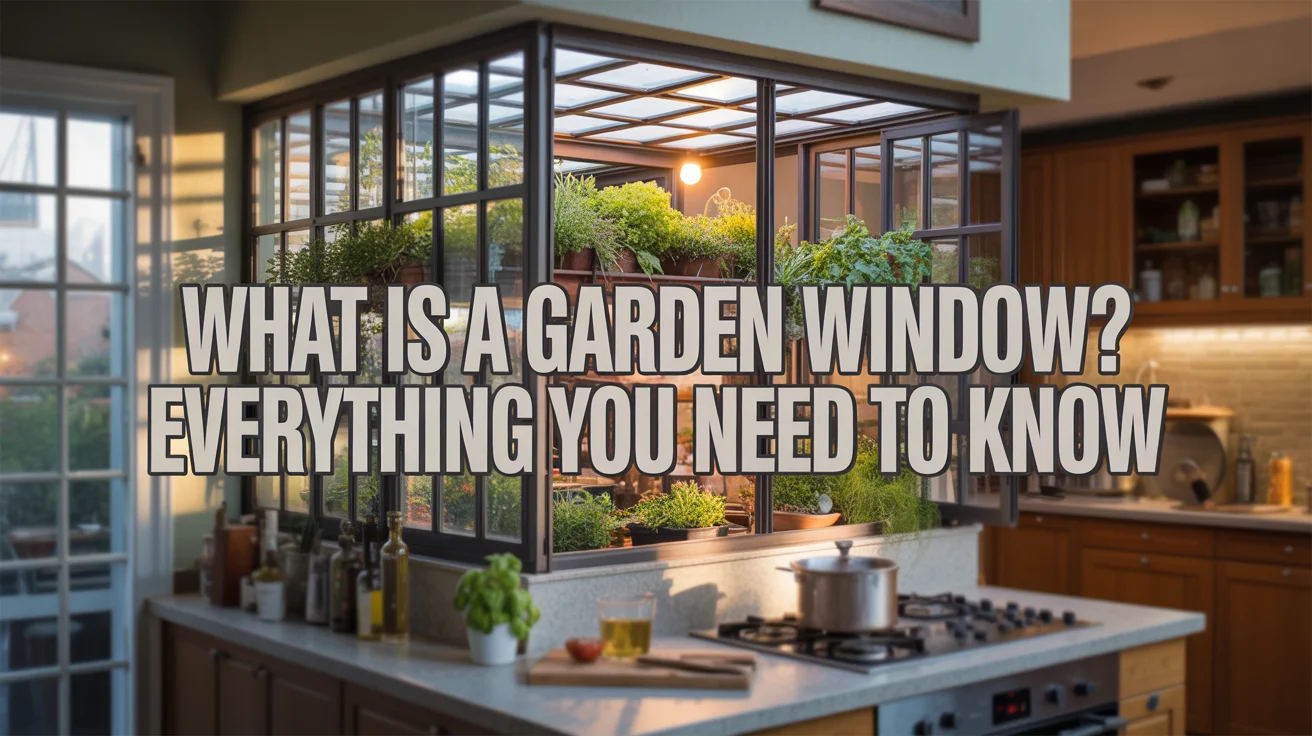
A garden window is a window that sticks out from your house wall. Think of it like a box made of glass.
You’ll see four panels working together: one front panel facing outward, two side panels, and a top panel that’s slightly angled. That angle? It keeps rainwater from pooling on top.
You might hear people call it different names. Box window. Greenhouse window. Plant window. They all mean the same thing. The structure creates a little nook that extends into your yard while adding usable space inside your home. It gives you 12 to 16 inches of new depth, where flat windows offer nothing.
Here’s what makes garden windows special. They turn a regular window opening into a mini indoor greenhouse. The glass on all sides pulls in sunlight from multiple angles, morning light, afternoon rays, and even soft evening glow.
Inside, you get built-in shelves perfect for herbs, succulents, or small plants. But you are not limited to greenery. Display your favorite coffee mugs, family photos, or vintage bottles.
How Garden Windows Are Structured
Understanding how these windows are built helps you see why they work so well. The design is simple but smart. Each piece serves a specific purpose, from letting in light to keeping water out.
Four-in-One Window Configuration

You are looking at four separate glass sections working together. The front-facing window stays fixed. It never opens. This gives you a clear, unobstructed view while keeping the structure stable. The two side windows are different. They crank open outward whenever you need fresh air or want to reach your plants.
The top panel sits at an angle. It stays closed permanently, but that slant is crucial. Rain slides right off instead of pooling on top.
Without it, you’d deal with leaks and water damage. The two side windows give you all the ventilation you need, while the front and top keep the weather out.
Garden Window Shelving

Most garden windows come with built-in shelves already installed. You don’t need to add them yourself. They’re positioned to hold plants at different heights, maximizing your sun exposure.
The shelf material depends on your window size. Smaller garden windows typically include glass shelves.
They look clean and let light pass through to the lower plants. Wider windows often use wire shelving instead because it’s stronger and can handle more weight without sagging.
Materials and Construction Considerations

Energy efficiency starts with the glass. You want options that save money on heating and cooling bills. Low-E glass reflects heat while letting light through. Triple-pane glass adds extra insulation for cold climates.
The frame material matters just as much. Why? Because you’ll be watering plants inside this window. Moisture builds up fast.
Wood frames look beautiful but can rot if they’re not sealed properly. Vinyl and fiberglass resist moisture better and require less maintenance over time.
Common Locations for Garden Windows

You can install a garden window almost anywhere in your home. But some spots work better than others. Let me show you where these windows make the biggest impact and why homeowners choose these locations.
- Kitchen: This is the most popular spot, especially above the sink. You get fresh herbs right where you cook, plus extra natural light that makes meal prep easier. The open feel transforms your kitchen into a brighter, more functional workspace.
- Bathroom: Install one above your bathtub for instant spa vibes. The natural light and greenery create a calming atmosphere while you soak. Just make sure the view outside is private enough for your comfort.
- Sunrooms & Bedrooms: These rooms benefit from the indoor-outdoor connection a garden window provides. You’ll feel more relaxed with extra brightness streaming in. Smaller rooms especially look larger and more open with the added visual depth.
Pros and Cons of Garden Windows
Every home improvement has trade-offs. Garden windows are no exception. Here’s an honest look at what you gain and what you sacrifice when you install one. This table breaks down the benefits and drawbacks so you can decide if it’s worth it.
| Pros | Cons |
|---|---|
| Increased Natural Light: Brightens rooms from multiple angles. Makes small spaces feel larger and more open. | Higher Cost: More expensive than standard windows due to the complex structure. Average cost ranges $1,250–$6,500, with most homeowners paying around $3,875. |
| Extra Shelf & Display Space: Built-in storage for plants, herbs, décor, and collectibles without using counter space. | Energy Efficiency Concerns: Extensive glass transfers heat more easily. Condensation and moisture can build up in extreme climates without proper glazing. |
| Improved Ventilation: Operable side windows create cross-breeze airflow. Fresh air flows through while the fixed panels stay secure. | Maintenance Requirements: Harder to clean due to the angled top and multiple panels. Requires periodic checks to keep seals water-tight and prevent leaks. |
| Enhanced Home style: Adds structural dimension and panoramic views. Creates visual appeal that may increase your home’s resale value. | Not DIY-Friendly: Must be professionally installed. Improper installation leads to air leaks, water damage, and structural problems that cost more to fix. |
| Ideal for Indoor Gardening: Perfect for plant lovers, home cooks growing herbs, and wellness enthusiasts who want greenery indoors. |
Cost and Budget Considerations

Let’s talk about money. Garden windows aren’t cheap. You need to know what you are getting into before you commit. Understanding the costs upfront helps you budget properly and avoid surprises during installation.
- Average Cost: Replacement garden windows run between $1,250 and $6,500 for most homes. The national average sits around $3,875, including professional installation.
- New Installation: Costs more than replacement because contractors cut into your wall and build out the structure. Expect to pay toward the higher end of the range.
- Price Factors: Window size, glass type (Low-E or triple-pane), frame materials (vinyl, wood, fiberglass), and your local labor rates all affect the final bill.
Is a Garden Window Right for You?

Not every home needs a garden window. And that’s okay. The key is figuring out if this upgrade matches your lifestyle, budget, and home setup. Here’s how to decide if it’s the right move for you.
- Natural Light: You want brighter rooms without adding more standard windows. Garden windows flood your space with light from multiple angles, making small kitchens or dark corners feel bigger and more open.
- Indoor Gardening: You love growing herbs for cooking or keeping plants alive year-round. The built-in shelves and greenhouse effect give your greenery the perfect environment to thrive.
- Structural Interest: You value unique home features that stand out. A garden window adds dimension and character that flat windows simply can’t match.
- Extreme Climates: You live somewhere with harsh winters or scorching summers and can’t afford upgraded glass. Standard garden windows lose heat quickly or overheat plants without proper insulation.
- Tight Budget: You are working with limited funds for home improvements. At $1,250 to $6,500, garden windows cost significantly more than regular replacement windows.
Conclusion
So, what is a garden window? It’s a mini greenhouse that brings light, plants, and a little extra counter space into your kitchen. If you are growing herbs, displaying décor, or just letting in more sunshine, these windows offer something special that regular windows don’t.
You now know the costs, installation requirements, and potential drawbacks. You understand what makes them different from bay windows, and if your home is a good fit. That’s everything you need to make a smart decision.
Ready to take the next step? Measure your current window space and get a few quotes from local installers. Compare your options and see what feels right. Have questions or want to share your own garden window experience? Drop a comment below. We’d love to hear what you decide.
Frequently Asked Questions
What is a garden window?
A garden window is a box-shaped window that projects outward from your home’s exterior. It features glass on three sides and a glass top, creating a mini greenhouse effect. Most include shelves for plants, herbs, or decorative items. They’re commonly installed above kitchen sinks to maximize natural light and growing space.
How much does a garden window cost?
Garden windows typically cost between $1,000 and $4,000, including installation. Basic vinyl models start around $1,000, while custom wood or high-end options can exceed $4,000. Installation adds $200 to $1,000, depending on your location and if structural changes are needed. Getting multiple quotes helps you find the best price.
What’s the difference between a garden window and a bay window?
Garden windows are smaller and box-shaped, projecting 12-16 inches outward. Bay windows are much larger, extending several feet and creating interior seating space. Garden windows function like mini greenhouses with shelves. Bay windows add structural drama and floor space. Garden windows cost less and fit standard window openings.
Can you grow plants in a garden window?
Yes, garden windows are perfect for growing herbs, succulents, and small houseplants. The extra sunlight from three glass sides creates ideal conditions. However, the enclosed space can get very hot in summer, so choose heat-tolerant plants or add ventilation. Most garden windows include two side vents for airflow control.
Are garden windows worth it?
Garden windows are worth it if you want more natural light, enjoy indoor gardening, and have $1,000+ to invest. They work best above the kitchen sink, where you’ll appreciate the view and plant access daily. However, they can overheat, are harder to clean, and may increase energy costs without proper glazing.