Growing herbs shouldn’t be complicated. But if you’ve ever watched your basil struggle while your mint takes over everything, you know that placement matters more than most gardening guides admit.
This article breaks down a simple herb garden layout that actually works. You’ll learn which herbs grow well together, how much space each one needs, and where to put them so they all thrive. No fancy techniques or expensive supplies required.
I’ve been growing herbs for over a decade, testing different layouts in small spaces and large gardens alike. What I’m sharing here comes from real experience, not just theory. By the end of this guide, you’ll have a clear template you can adapt to your space, whether that’s a windowsill, balcony, or backyard bed. Let’s get your herbs growing the way they should.
Understanding the Purpose of Your Herb Garden

I want you to ask yourself one question before you plant anything: What do I actually want from this garden? Your answer changes everything. A culinary garden sits close to your kitchen door. A medicinal garden needs calendula and echinacea. Tea lovers fill their beds with chamomile and mint. Here’s the truth, You don’t have to pick just one.
Your garden’s job determines its shape. Culinary gardens work well in quadrants. Circular designs feel perfect for tea gardens. Place frequently-used plants within arm’s reach. Multi-use gardens give you the best of everything. Plant purple basil for cooking and beauty.
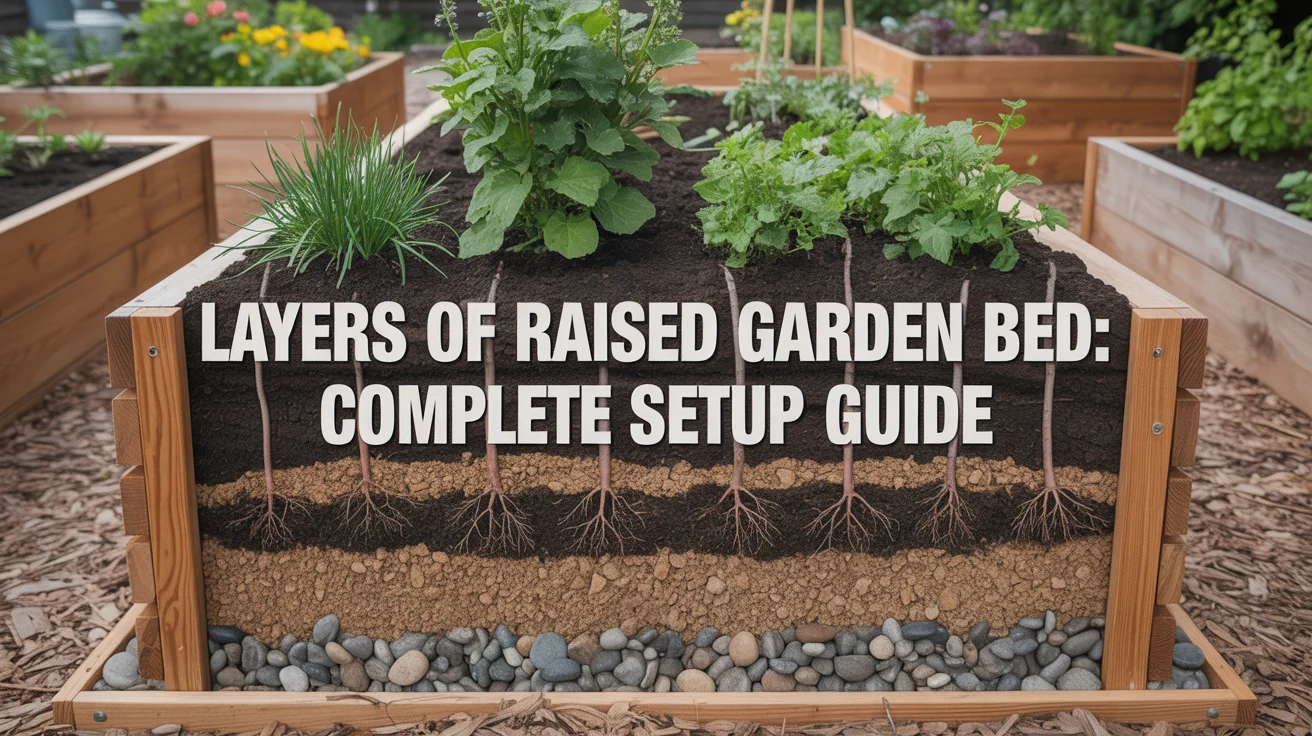
Sun exposure matters most. Find a spot that gets 6-8 hours of direct sunlight daily. Put your garden close to where you cook. Well-drained soil is non-negotiable. Build raised beds if your soil stays soggy. Live in an apartment? Window boxes turn sunny sills into mini gardens. Your space doesn’t limit you.
Smart Design Principles for an Herb Garden Layout Template
I’ve watched too many gardeners burn out by starting too big. Don’t be that person. A smart layout grows with you, not against you. Let me show you how to design a garden that actually works.
Start Small and Expand

Begin with a 4×4-foot area. That’s it. I’m serious. You’ll learn what thrives and what dies. You’ll discover which herbs you actually use. Test your soil, your sunlight, your commitment.
Once you’ve mastered that small space, then expand. Add another bed next season. Try new plant combinations. Growth should feel exciting, not overwhelming. Small victories build confidence faster than grand failures teach lessons.
Symmetry and Flow

Traditional layouts work because they’re simple. Here’s what creates natural order:
- Quadrant designs divide space into four equal sections
- Circular patterns radiate from a central focal point
- Paths between beds let you reach every plant without stepping on soil
- Stepping stones create access and visual interest
- Plant groupings in threes look intentional, not random
I want you to walk through your garden without bending like a pretzel. Place paths where you’ll actually use them. Symmetry pleases the eye. Repetition ties everything together. Plant the same herb in opposite corners. Mirror your layout on both sides of a center path.
Functional Aesthetics

Your herbs should work and wow. Purple basil tastes amazing and looks stunning. Silver thyme spills over the edges beautifully. Variegated sage adds color all season long.
Play with contrast. Put tall rosemary behind low-growing oregano. Pair fuzzy lamb’s ear with glossy bay leaves. Texture creates interest without extra effort. Use lavender as your showstopper; it anchors corners and draws the eye. Every plant should earn its spot through beauty, flavor, or both.
Choosing the Right Herbs for Your Layout
I’ve learned that picking the right herbs makes all the difference. You want plants that actually grow well together and suit your space. Let me walk you through what works.
Core Culinary Herbs

Start with the classics you’ll use every day. These are the herbs that earn their spot in any garden.
Hardy perennials form your foundation:
- Rosemary
- Thyme
- Sage
- Oregano
- Chives
Annual herbs rotate with the seasons:
- Basil (summer star)
- Parsley (cool-season favorite)
- Cilantro (spring and fall)
Think of perennials as your anchor plants. They come back year after year. Annuals fill the gaps and give you variety. I plant my rosemary and thyme first, then add basil when it gets warm.
Medicinal and Tea Herbs

These herbs do double duty in your garden. They’re beautiful and useful for wellness.
- Digestion: Chamomile, mint, anise hyssop
- Relaxation: Lemon balm, lavender, tulsi
- Immunity: Echinacea, calendula, thyme
Don’t overthink this part. Pick herbs you’ll actually use. I keep chamomile near my kitchen door for evening tea. Calendula goes in my sunny spot because it loves heat. One or two medicinal herbs are plenty to start.
Climate and Growth Considerations

Your local climate tells you what will thrive. Not everything grows everywhere.
- Rosemary (loves heat)
- Thyme (drought champion)
- Oregano (barely needs water)
- Lavender (Mediterranean native)
Aggressive spreaders need containment. Mint will take over your entire bed if you let it. So will lemon balm. I plant these in pots, even when the pot sits in the ground. It stops the roots from spreading.
Smart Herb Garden Layout Templates
I’m giving you three proven layouts that work. Pick the one that fits your space and style. No guessing required. These templates have fed families and filled medicine cabinets for generations.
Template 1: The Classic Quadrant Garden

This layout is timeless for a reason. You divide a square into four equal sections. Each section gets a theme. Organization becomes automatic.
- Culinary corner: parsley, basil, thyme, chives
- Medicinal section: echinacea, calendula, feverfew
- Fragrant zone: lavender, sage, rosemary cuttings
- Tea garden: lemon balm, chamomile, mint (contained)
Put a stunning plant in the center where paths meet. Add gravel or stepping stone paths between sections. The symmetry satisfies something deep in your brain.
Template 2: Rectangular Raised Bed Layout

Long, narrow beds fit anywhere. They maximize awkward spaces beautifully. Plant tall herbs at the back. Mid-height herbs go in the middle. Low-growing carpet on the front edge.
- Lavender: at corners for structure
- Borage: with its blue star flowers
- Marigolds: to deter pests naturally
The bees will thank you. This layout works whether your bed is three feet or thirty feet long.
Template 3: Herb Spiral Design

This is my favorite small-space solution. You build a raised spiral mound about waist-high. It creates different zones in one compact footprint. Water flows naturally from top to bottom.
- Top of spiral: rosemary, thyme, lavender (bone dry)
- Middle sections: oregano, sage, marjoram (moderate)
- Bottom base: parsley, cilantro, mint in pots (damp)
The design practically waters itself. Rain runs downhill. You’ve just created four microclimates in four square feet. Perfect for patios, balconies, or corner yards.
Maximizing Growth and Health
Healthy herbs start with good soil and smart care. You don’t need fancy techniques. Just the basics done right.
- Soil preparation: Mix 50% compost with 50% drainage material for perfect soil. Feed with seaweed or compost tea every few weeks.
- Spacing tips: Place plants 30 to 45 cm apart using a grid layout. Group herbs with similar water needs together.
- Maintenance routine: Feed on Friday for easy scheduling. Prune regularly and refresh soil annually with fresh compost.
Conclusion
You now have a herb garden layout template that takes the guesswork out of planning. Group your herbs by water needs, give each plant enough space, and put tall varieties where they won’t shade the short ones. Those three rules will solve most growing problems before they start.
Your herbs will actually thrive instead of just surviving. No more overcrowded pots or plants that mysteriously die while their neighbors flourish. This layout works whether you’re planting in containers, raised beds, or directly in the ground.
Start with just a few herbs if you’re new to this. You can always expand once you see what works in your space. Drop a comment below and let me know which herbs you’re planning to grow first. I’d love to hear how your garden turns out.
Frequently asked questions
What is a herb garden layout template?
A herb garden layout template is a pre-planned design that shows you where to place different herbs based on their growing needs. It organizes plants by height, water requirements, and sun exposure so each herb has the best chance to thrive without competing with its neighbors.
How much space does each herb need in a layout?
Most herbs need 12-18 inches of space between plants. Basil and parsley do well with 12 inches. Rosemary and sage need 18-24 inches since they grow larger. Mint should always go in its own container because it spreads aggressively and will take over your garden.
Can I use a herb garden layout template for containers?
Yes, layout templates work perfectly for containers. Just follow the same spacing guidelines and group herbs with similar water needs in the same pot. Make sure your containers have drainage holes and are large enough for each herb’s root system to develop properly.
Which herbs should I plant together in my layout?
Plant Mediterranean herbs like rosemary, thyme, and oregano together since they prefer drier soil. Group basil, parsley, and cilantro separately because they need more water. Keep mint isolated in its own container to prevent it from invading other plants’ space.
Do I need full sun for my herb garden layout?
Most culinary herbs need 6-8 hours of direct sunlight daily. Basil, rosemary, and thyme are sun-lovers. Parsley, cilantro, and chives tolerate partial shade better. Place taller plants on the north side of your layout so they don’t block sunlight from shorter herbs.