
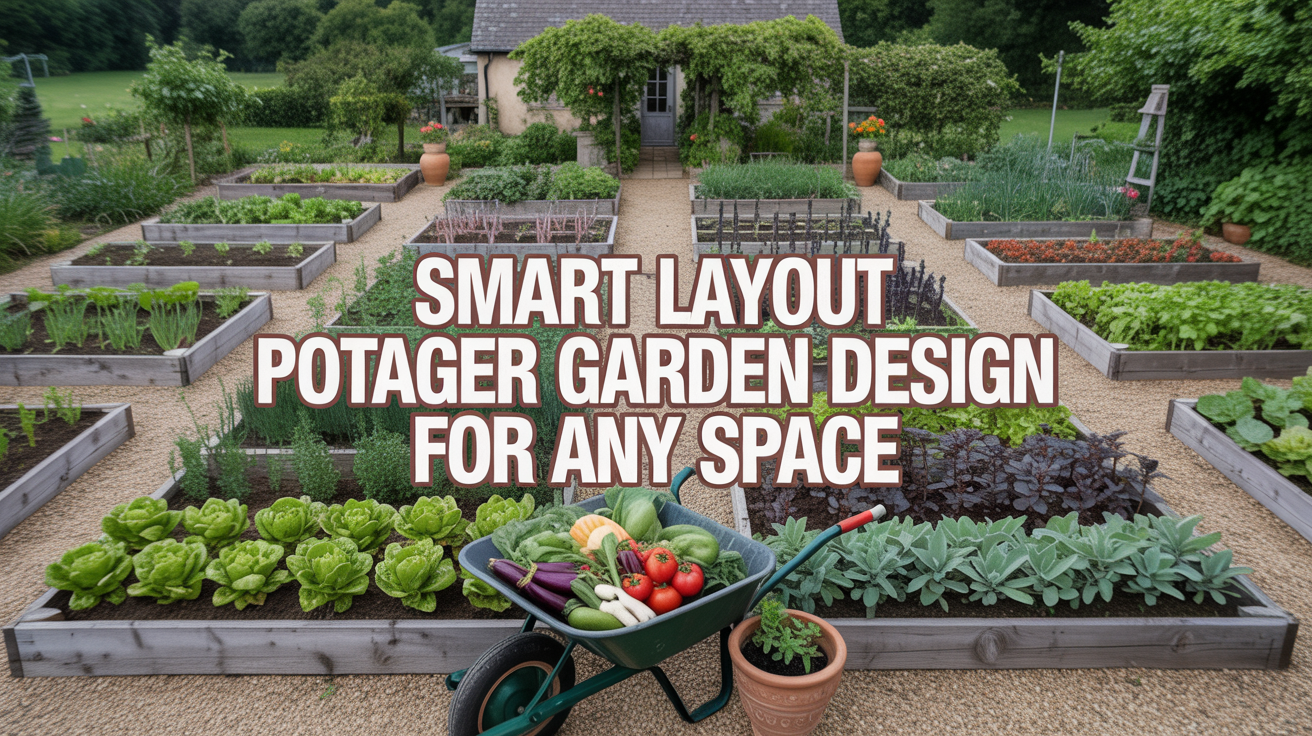

You want a productive vegetable garden, but your space feels too small or awkward. Maybe you’ve got a tiny backyard, a weird corner lot, or just a balcony. The good news? Smart potager garden design works anywhere. This layout method helps you grow more food in less space.
This article shows you exactly how to plan your potager garden. You’ll learn simple layout tricks that maximize harvests, reduce maintenance, and make your garden look amazing. No fancy tools or master gardener skills needed.
I’ve spent years testing these layouts in real backyards and helping everyday gardeners succeed. The strategies here actually work because they focus on practical solutions, not Instagram-perfect fantasies. No matter if you have 10 square feet or 1,000, you’ll walk away with a clear plan that fits your exact space and growing goals.
History and Inspiration Behind the Potager Garden

Monks started it all. They planted gardens inside the monastery walls. Food and medicine grew side by side. The layouts formed crosses and symbolic patterns. Prayer and practicality merged in these sacred spaces.
French nobles took notice. Château Villandry changed everything in the 1500s. Vegetables became art. Geometric beds created living patterns. Monasteries gave us function. The Renaissance gave us beauty.
Simple vegetable plots transformed over time. Gardens became formal with fountains and arbors. Today, you don’t need a château. A balcony works fine. They adapt to your space. You grow your own food. It’s sustainability that tastes good and looks beautiful.
Planning Your Potager Garden Layout
First things first: you need a plan. I’ve learned this the hard way. Without one, your garden becomes a chaotic mess. Let me walk you through the essentials.
Assessing Your Space

Start by measuring what you’ve got. Go outside right now with a tape measure. Write down the dimensions.
- Available area: balcony, patio, or full yard, all work
- Sunlight exposure: note where you get 6+ hours of direct sun
- Soil condition and kitchen proximity: test drainage and measure steps from your back door
Small spaces work fine. I’ve seen gorgeous potagers on tiny patios. Larger yards give you options like that classic 40×40 ft French layout with a central focal point and surrounding beds radiating outward.
Choosing a Layout Style

Your style choice shapes everything else. Pick what fits your space and personality.
- Formal layouts: symmetrical, grid-style raised beds with focal points (classic French château style)
- Informal layouts: organic flow with curved paths and asymmetric beds
- Compact layouts: containers and vertical planters for small spaces
Don’t overthink it. Formal looks sharp but needs upkeep. Informal feels natural and forgiving. Compact maximizes every inch you’ve got.
Mapping Your Design

Grab a paper and a pencil. Sketch your space to scale now, before you dig anything.
- Pathways: 2-3 ft wide for easy access with wheelbarrows
- Bed sizes: typically 4×4 ft squares or L-shaped beds, you can reach across
- Accessibility features: room to maneuver with tools and harvest baskets
Garden design software helps if you want precision. But honestly? A simple hand-drawn sketch works just fine. Just make sure you can reach every plant without stepping on the soil.
Important Elements of a Smart Potager Garden Layout

A potager needs more than just plants. The right elements transform a vegetable patch into something beautiful and functional. Let me show you what really works.
- Visual anchor: Add a central focal point like a fountain, sculpture, small tree, or greenhouse to draw the eye and hold your design together.
- Raised beds: Use durable materials (oak, stone, brick, or logs) and layer soil properly with compost, sand, leaves, and native soil for optimal growth.
- Wide pathways: Ensure 2-3 ft minimum width for easy navigation, then cover with gravel, mulch, or wood chips to prevent weeds and retain moisture.
- Vertical structures: Use arches, trellises, or obelisks for climbing plants to maximize space. Cattle panel arches work great for beans and cucumbers.
- Decorative touches: Include rustic baskets, urns, or espaliered fruit trees for that authentic French countryside flair without overdoing it.
Selecting Plants for Your Potager Garden
Plant selection makes or breaks your potager. You want food, beauty, and practicality all at once. Here’s how I choose what goes where.
Mix of Edible and Ornamental Plants

Don’t separate vegetables from flowers. That’s the whole point of a potager: everything grows together.
- Vegetables: Swiss chard with bright stems, purple cabbage, cherry tomatoes
- Herbs: basil, parsley, thyme for cooking and fragrance
- Flowers: nasturtiums, zinnias, marigolds for color and pest control
I plant rainbow chard next to orange zinnias. The contrast is beautiful. Both produce all season. Nasturtiums climb my tomato cages while keeping aphids away. Beauty and function in one bed.
Companion Planting Strategy

Some plants love being neighbors. Others don’t. Learn the friendships.
- Basil with tomatoes: improves flavor and repels pests
- Carrots with onions: confuses carrot flies with onion scent
- Marigolds with everything: their roots deter soil nematodes
Rotate your crops each season. Tomatoes in bed this year? Move them to bed two next spring. This prevents disease buildup and keeps soil balanced. I keep a simple notebook tracking what grew where.
Year-Round Planting

Empty beds waste space. I never let that happen.
- Succession planting: harvest lettuce, replant immediately with beans
- Seasonal rotations: cool crops in spring/fall, heat lovers in summer
- Perennial anchors: thyme, rosemary, and lavender stay put year after year
Plant lettuce every two weeks from March through May. You’ll have fresh salad constantly instead of one huge harvest that bolts. When tomatoes finish in October, plant garlic in the same bed. By next June, you’re harvesting again.
Maintenance and Sustainability Tips
Here are 5 two-line bullet points with colons and 2-3 words bolded:
- Feed your soil: Use composted manure and leaf mulch regularly. Never leave soil bare; it invites weeds and washes away fast.
- Install drip irrigation: Set up a central water source near your beds. It saves hours of hauling buckets and waters the roots directly.
- Plant pollinator flowers: Add verbena and cosmos between your vegetables. Use chicken wire fencing to keep pests away from crops.
- Keep a journal: Track what works and what fails each season. Your memory fades, but notes reveal patterns you’ll miss otherwise.
- Rotate your crops: Move plants to different bed locations annually. Fresh soil means healthier plants and fewer pest problems overall.
Conclusion
Your layout potager garden design doesn’t need to be complicated. Start with a good structure, mix your plants smartly, and use vertical space when you can. These simple steps work in any yard size and give you more vegetables with less hassle.
You now have everything you need to plan a garden that actually fits your space. No more guessing or wasting time on layouts that don’t work. Just practical designs you can start using today.
Ready to get your hands dirty? Sketch out your space this weekend and pick your first plants. Drop a comment below if you hit any snags or want to share what you’re growing. And if this helped you out, pass it along to a friend who’s been talking about starting their own garden.
Frequently asked questions
What is a layout potager garden design?
A layout potager garden design is a French-style vegetable garden that combines food plants with flowers in organized, beautiful patterns. It uses structured beds, paths, and borders to create a garden that’s both productive and attractive. The layout focuses on maximizing space while keeping everything easy to access and maintain.
How much space do I need for a potager garden?
You can create a potager garden in any space. A basic design works in just 4×4 feet, while larger yards can accommodate multiple beds. Balconies and patios work too with container arrangements. The key is planning your layout to fit your available area, not the other way around.
What’s the best layout shape for a potager garden?
Rectangular raised beds (3-4 feet wide) are most practical because you can reach the center easily. Square, circular, or triangular beds add visual interest. Choose shapes based on your space and accessibility needs. Keep paths at least 2 feet wide for comfortable movement and wheelbarrows.
Can beginners create a potager garden layout?
Absolutely. Start with a simple grid layout using 2-4 raised beds. Plant easy vegetables like tomatoes, lettuce, and herbs. Add a few marigolds or nasturtiums for color. You don’t need gardening experience, just follow basic spacing guidelines and adjust as you learn what works.
How do I plan a layout potager garden design on paper?
Measure your space first. Sketch it on graph paper using a scale (like 1 square = 1 foot). Draw in beds, paths, and any permanent features. Mark sun and shade areas. Then assign plants based on their size, sun needs, and harvest times. This blueprint guides your actual garden setup.


