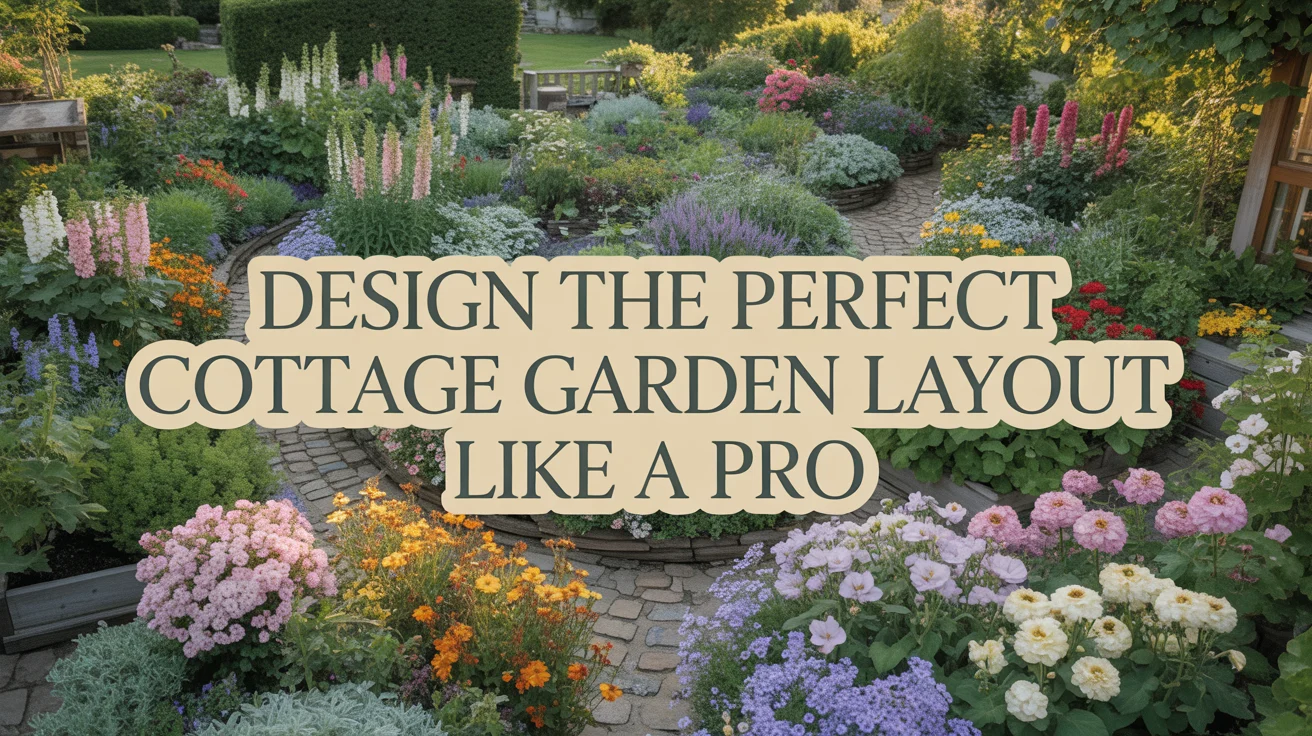

Want a cottage garden that looks like it’s been there forever? You’re in the right place. This guide shows you exactly how to design a cottage garden layout that works. We’ll cover plant placement, color schemes, pathway ideas, and spacing tricks.
That makes everything come together naturally. No fancy jargon or complicated plans, just practical steps you can follow this weekend.
I’ve spent years helping gardeners create these charming, relaxed spaces. The secret? It’s less about perfect rows and more about understanding how plants grow together.
You’ll learn the real techniques professional designers use, from layering heights to choosing plants that actually thrive in cottage-style gardens.
By the end, you’ll know exactly where each plant goes and why it belongs there. Let’s turn that empty yard into the garden you’ve been dreaming about.
Understanding the Cottage Garden Style

Cottage gardens started in the English countryside centuries ago. Working families planted vegetables, herbs, and flowers together in one happy jumble.
Over time, these practical gardens became more romantic. Victorian gardeners kept the relaxed style but added more blooms.
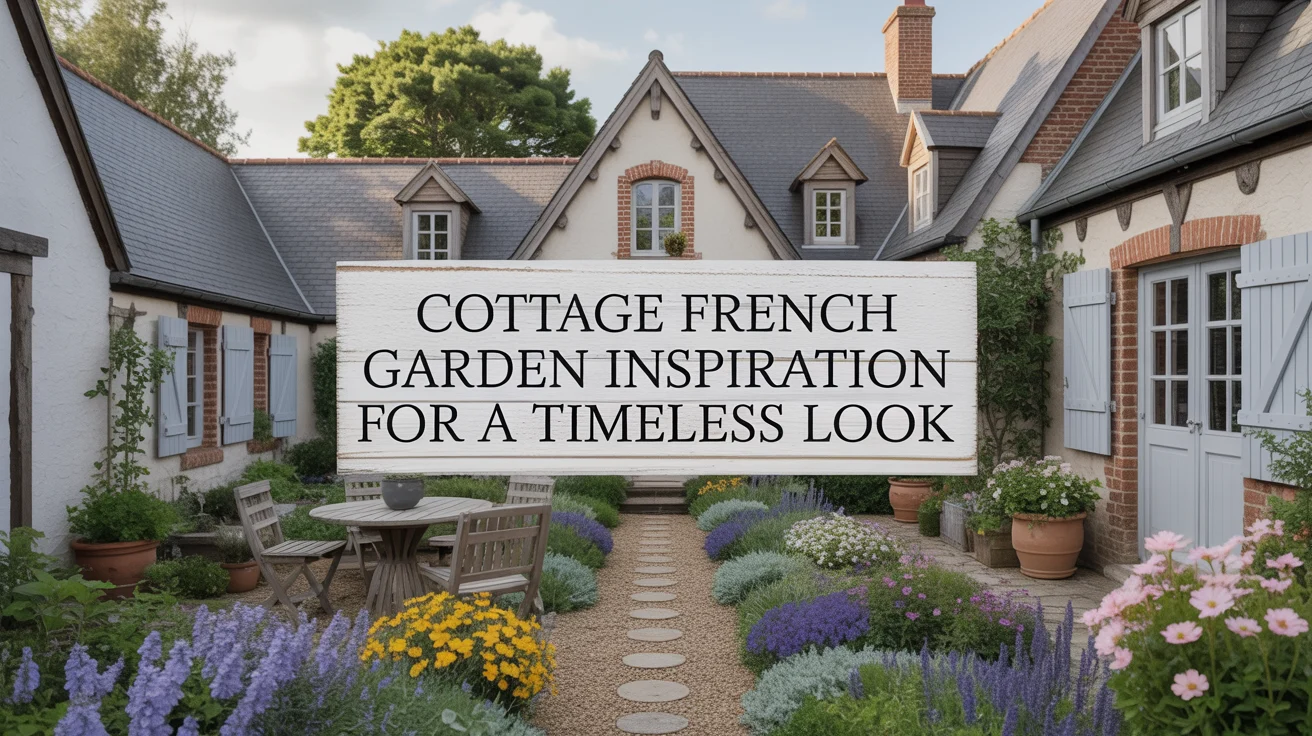
Today’s cottage garden has dense planting where flowers touch and mingle. Tall plants stand in back, shorter ones up front. Paths curve gently through the beds. Everything flows naturally, like the garden planted itself.
I love that cottage gardens don’t demand perfection. The style works better when things grow a bit wild. These gardens feed bees and butterflies, too.
Size doesn’t matter here. I’ve seen beautiful cottage gardens in narrow city yards and sprawling country plots.
Planning Your Cottage Garden Layout
A cottage garden needs a plan, but not a perfect one. I’ll show you how to work with what you have. Your space has its own personality, let’s discover it.
Assess Your Space and Sunlight

Walk your garden at different times of day. Notice where the sun hits hardest and where shadows linger. This tells you everything.
- Full sun zones get 6+ hours of direct light, perfect for roses and lavender.r
- Partial shade areas receive 3-6 hours, ideal for foxgloves and astilbe
- Deep shade spots under trees need hostas and ferns
- Wet patches after rain tell you where to plant moisture-lovers like iris
- Clay, sand, or loam, squeeze your soil to know what amendments you’ll need
Front yards invite the neighborhood in with year-round color and neat edges. Backyards let you experiment freely with wilder textures and hidden corners. Both work beautifully for cottage gardens, just with different personalities.
Define the Garden’s Purpose

Why are you planting this garden? The answer shapes everything else. Beauty, food, fragrance, or wildlife, pick your priority first.
- A front-yard cottage garden focuses on curb appeal with cascading roses and billowing perennials.s
- A back-garden sanctuary blends herbs for cooking with flowers for pollinators.
- Cutting gardens prioritize long-stemmed blooms like dahlias and zinnias
- Meditation spaces need fragrant plants and a cozy bench tucked away
- Wildlife habitats require native plants, water features, and varied heights
Purpose guides your plant choices and path placement. Define this now, it keeps you focused when garden centers tempt you with fifty plant varieties you don’t actually need.
Sketch Your Cottage Garden Layout

Start with permanent features on paper. Draw your house, walkways, fences, and any seating areas. These anchor points won’t move.
- Mark existing structures like sheds, trees, and utility boxes, you must work around.
- Add curved, wandering edges for planting beds instead of straight lines
- Place taller plants at the back or center of beds, such as hollyhocks and delphiniums
- Position medium-height plants in the middle layers for fullness, roses and catmint work well
- Tuck shorter plants along path edges where you’ll see them up close, violas and thyme
Balance structure with freedom using hedges or low fences to define boundaries. Create informal planting zones that naturally overlap and blur together. Your sketch doesn’t need perfection, it needs clarity so you know where to dig first.
Designing the Structure of Your Cottage Garden
I believe good bones make a great garden. You need paths, borders, and special spots that draw the eye. These elements create a framework that holds your cottage garden together, even when plants grow wild and free.
Pathways and Flow

Straight lines feel formal. Curving paths feel natural. That’s the secret to cottage garden magic. When you design winding paths, you create mystery.
Visitors wonder what’s around the bend. Even a small garden feels larger when paths curve and meander.
- Flagstone: Natural and timeless
- Brick: Classic cottage charm
- Gravel: easy to install and budget-friendly
Pro Tip: Curved paths make even small spaces feel expansive and inviting. I’ve seen tiny gardens change completely. Just add one gentle curve, and suddenly the space breathes.
Fences, Arbors, and Trellises

Boundaries define your garden world. They tell visitors where the magic begins. Vertical structures add height without taking up ground space.
Think of these as your garden’s architecture. A white picket fence says “cottage” before you plant a single flower.
- Picket fences: Painted white or natural wood
- Lattice borders: Perfect for enclosed corners
- Climbing arbors: change entries into showcases
For trellises, choose vines that bloom: clematis for purple elegance, climbing roses for fragrant romance, or sweet peas for soft perfume. These plants soften hard edges. They blur the line between structure and nature.
Seating and Focal Points

Every garden needs a place to pause. A bench becomes an invitation. You’re saying, “Stop here. Notice this beauty.”
I place focal points where paths cross or near entrances. A birdbath catches morning light. A stone statue peeks through lavender.
- Benches: Weathered wood or painted iron
- Birdbaths: Attract wildlife and add movement
- Stone statues: Age gracefully with moss
Example: A vintage bench framed by lavender and delphiniums invites rest and reflection. Don’t overthink it. Choose pieces that speak to you. Your garden should feel like home.
Choosing Plants for a Classic Cottage Garden Layout
Plant selection makes or breaks your cottage garden. You want abundance, not perfection. The goal is controlled chaos that looks effortless.
Layering Heights and Textures

Think of your garden as a stage. Tall plants stand in the back. Medium ones fill the middle.
Low-growing carpet in the front:
- Tall Plants (Back): Hollyhocks, foxgloves, delphiniums
- Medium Plants (Middle): Roses, lavender, daisies
- Low-Growing Plants (Front): Pansies, alyssum, creeping thyme
Mixing heights creates movement. Your eye travels up and down. Different textures add interest even when flowers fade.
Mix of Perennials and Annuals

Perennials give you structure. They return year after year. Annuals bring the party. They bloom hard and fast, filling gaps with explosive color.
- Peonies: Spring drama in pink and white
- Lavender: Summer fragrance and purple spikes
- Yarrow: Flat-topped blooms that last for months
Recommended annuals include cosmos, zinnias, and calendula. When annuals finish, perennials still hold the garden together. That’s the beauty of mixing both.
Incorporating Herbs, Vegetables, and Pollinator Plants
Cottage gardens blur the line between pretty and practical. This is the traditional “edible-meets-ornamental” principle. Herbs add structure. Vegetables bring color. Pollinator plants invite life.
- Rosemary: Evergreen structure and blue flowers
- Sage: Silver leaves and purple spikes
- Chamomile: Tiny daisies you can brew
Runner beans climb with red flowers. Nasturtiums cascade in orange. Cherry tomatoes add pops of red. All edible, all beautiful.
Color Harmony and Seasonal Blooms

Don’t let your garden peak in June and quit. Plan for year-round interest. I choose plants that bloom in different months.
- Pastels: Soft pinks, lavenders, and creams for romance
- Brights: Bold reds, oranges, and yellows for cheerfulness
- Whites: Timeless calm that glows at dusk
Example: Lavender, roses, and daisies for a calming pink-white-purple blend. I sketch my color plan in winter. No guessing, no clashing, just harmony.
Soil, Watering, and Maintenance Tips
Let me share what I’ve learned about keeping a cottage garden healthy without overthinking it.
- Organic compost: add fish emulsion monthly and use natural mulch instead of dyed for better soil health
- Soaker hoses: water deeply once or twice weekly in the morning for strong root development
- Morning schedule: Let plants dry during the day to prevent fungal problems and disease issues
- Light pruning: trim back leggy growth in spring while keeping those natural wild cottage shapes
- Winter interest: leave dried hydrangea heads and seed heads standing for birds and frost beauty
Conclusion
Your cottage garden layout doesn’t have to be complicated. Layer your plants by height, mix colors naturally, and let things grow a little wild. That’s really all there is to it.
You now have the practical steps to create a garden that looks professionally designed. Start with your pathways, add structure plants first, then fill in with perennials and self-seeders. Give everything room to breathe and grow into itself.
Ready to get your hands dirty? Grab your garden journal and sketch out your layout this week. Drop a comment below if you have questions about plant spacing or color combinations. I’d love to help. And if this guide clicked for you, share it with a friend who’s been dreaming about their own cottage garden.
Frequently Asked Questions
What is a cottage garden layout?
A cottage garden layout is an informal planting style that mixes flowers, herbs, and vegetables together. Plants are layered by height, with taller ones in the back and shorter ones in the front. Paths wind naturally through the beds, and plants spill over edges freely. It looks relaxed and slightly wild rather than perfectly manicured.
How do I start planning a cottage garden layout?
Start by mapping your garden’s sun and shade areas. Add curved pathways first, then place tall structure plants like roses or delphiniums as anchors. Fill middle layers with perennials and front edges with low growers. Leave space for plants to spread naturally. Sketch it out before buying anything.
What plants work best in a cottage garden layout?
Classic choices include roses, lavender, foxgloves, delphiniums, peonies, and hollyhocks for height. Add catmint, geraniums, and salvia for middle layers. Edge with alyssum or thyme. Include self-seeders like poppies and forget-me-nots. Choose plants that bloom at different times for season-long color.
How much space do I need for a cottage garden?
You can create a cottage garden in any size space, even a small corner or front yard strip. A 10×10-foot area works perfectly for beginners. The key isn’t size but layering and plant variety. Even container gardens on patios can achieve the cottage look with proper plant selection.
Do cottage gardens require a lot of maintenance?
Cottage gardens need moderate maintenance. Deadhead flowers regularly, divide perennials every few years, and manage self-seeders so they don’t overtake everything. The informal style hides imperfections well. You’ll spend more time in spring and fall, but summer mostly requires watering and occasional weeding.