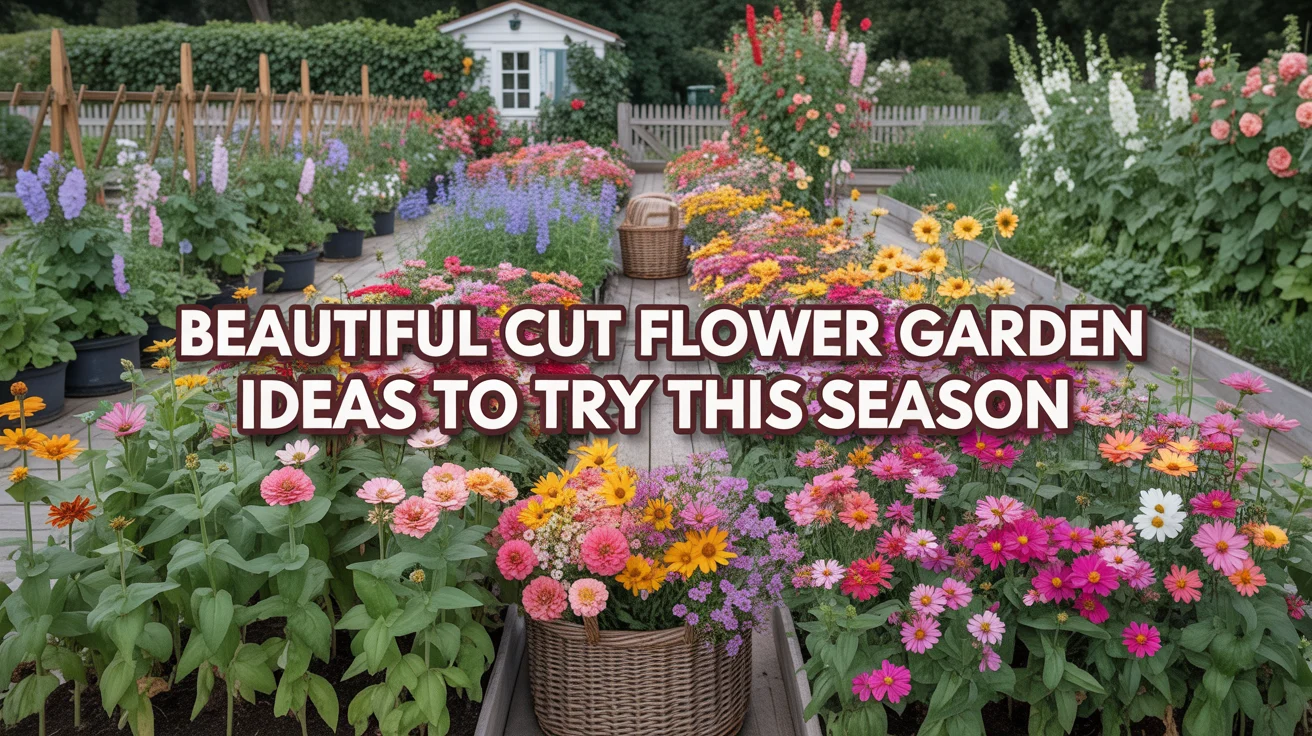

Growing cut flowers in your own garden is easier than you think. You don’t need acres of land or fancy equipment. Just a sunny spot, some basic supplies, and the right plants will get you started.
This guide shows you exactly how to create a thriving cut flower garden. We’ll walk through design ideas that actually work, from simple raised beds to cottage-style borders. You’ll learn which flowers produce the most blooms and how to keep them coming all season long.
I’ve spent years testing these methods in real gardens, not just reading about them. The ideas here come from experience. What works, what doesn’t, and why. You’ll find practical solutions that fit your space and schedule. No guesswork, no overwhelm. Just straightforward advice to help you grow beautiful flowers you can cut and enjoy indoors.
Planning Your Cut Flower Garden
Growing your own cut flowers is easier than you think. You don’t need a huge yard or fancy equipment. Just some sun, good soil, and a simple plan will get you started.
Choosing the Right Location

Sunlight is everything. Your flowers need 6–8 hours of direct sun each day. Find the sunniest spot in your yard. That’s where your garden goes.
Now let’s talk about soil. You want it rich and well-draining. Mix in compost or aged manure before planting.
Think of it like feeding your flowers before they even arrive. For watering, skip the sprinkler. A drip irrigation system or soaker hose keeps moisture consistent without wasting water or soaking the leaves.
Garden Size and Layout Ideas

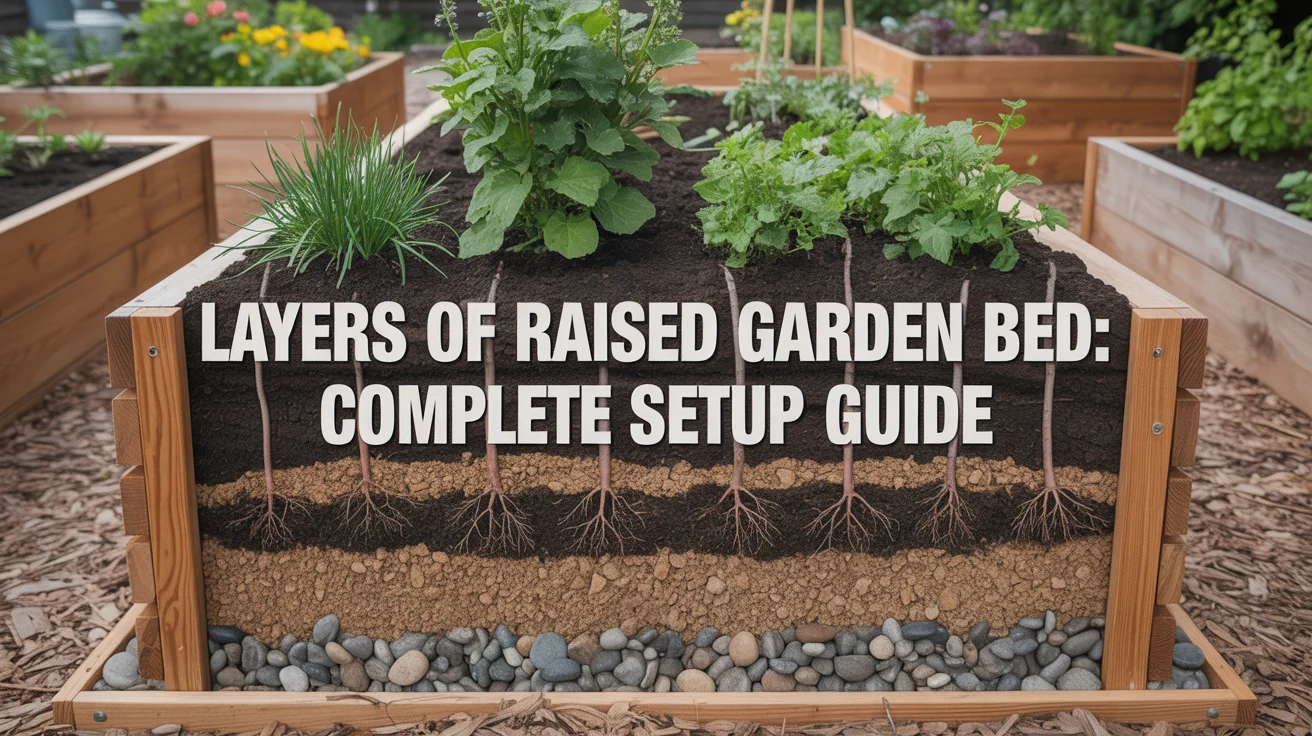
You don’t need acres of land. A small raised bed works perfectly for beginners.
- Raised beds: A 3×6 ft bed fits along a fence or patio
- Containers: Large pots on a sunny deck grow zinnias and cosmos beautifully
- Narrow borders: Use the strip along your driveway or walkway
- Row-style planting: Traditional rows make harvesting fast and easy
- Companion planting: Mix tall sunflowers with low-growing marigolds for depth
I like the raised bed best. It keeps weeds down and drainage up. Plant taller flowers in back, shorter ones in front. Leave narrow paths between rows so you can reach every stem without stepping on roots.
Seasonal Planning for Continuous Blooms

Timing matters more than you’d expect. Plant a new batch every two weeks from spring through early summer.
This is called succession planting, and it keeps vases full all season. Some flowers bloom early, others late. Use both types.
- Spring: Tulips, daffodils, ranunculus (cool-weather lovers)
- Summer: Zinnias, cosmos, sunflowers (heat-tolerant and prolific)
- Fall: Dahlias, celosia, rudbeckia (last until frost hits)
Plant your spring bulbs in the fall. Start summer annuals after the last frost. Dahlias go in late spring for fall blooms. It’s that straightforward. Mark planting dates on a calendar so you don’t forget.
Best Flowers to Grow in Your Cut Flower Garden
Choosing the right flowers makes everything easier. Some plants practically grow themselves, while others need constant attention. I’ll show you which ones deliver the most blooms with the least fuss.
Easy Annuals for Beginners

Start with annuals. They grow fast, bloom all summer, and forgive mistakes. Plant them once and cut flowers for months.
These three are nearly foolproof:
- Zinnia: Bright colors, thick stems, and they bloom more when you cut them
- Cosmos: Soft petals, drop seeds for next year, fill gaps perfectly
- Sunflowers: Big bold faces, grow waist high in weeks, bees love them
Zinnias are my top pick for new growers. Cut one stem and two more appear. They handle heat, don’t mind dry spells, and come in every color except blue. Plant them everywhere.
Long Lasting Perennials for Consistent Blooms

Perennials cost more upfront but come back year after year. Plant once, harvest forever.
These tough plants survive droughts and still produce flowers:
- Echinacea (Coneflower): Pink or white petals, stays fresh in vases for days
- Shasta Daisy: Classic white blooms, strong stems that don’t flop
- Yarrow: Flat flower clusters fill the space between bigger blooms
I rely on these when annuals fade. They don’t need replanting each spring. Just cut them back in the fall and wait for spring. Perennials give you more time for other garden tasks.
Fragrant Favorites for Romantic Bouquets

Scent transforms a pretty bouquet into something memorable. These flowers smell as good as they look.
Add fragrance with these proven choices:
- Sweet Peas: Pastel ruffles on climbing vines, smell like spring itself
- Lavender Purple spikes that dry beautifully, keep scent for months
- Roses: Pick shrub types for easier care, climbing varieties for height
Sweet peas need cool weather. Plant them early, or they’ll struggle in summer heat. Lavender wants full sun and hates wet feet give it sandy soil. Roses seem complicated, but shrub roses are tougher than you think. They handle neglect better than fancy hybrid teas.
Unique and Filler Flowers for Texture and Balance

Big focal flowers need supporting players. Fillers add depth and make arrangements look professional.
- Snapdragons: Tall spikes that add vertical lines to bouquets
- Ammi majus (Queen Anne’s Lace). White lacy clouds soften bold colors
- Dusty Miller: Silver gray leaves, not a flower, but essential
I use Ammi majus like florists use baby’s breath, only better. It’s lacier and more interesting. Dusty Miller foliage breaks up solid masses of color. Don’t skip the fillers. They’re what separate homemade bouquets from grocery store bundles.
Growing and Maintaining a Productive Cut Flower Garden

I’ve learned that healthy soil makes all the difference. You can’t skip this step if you want armloads of blooms.
- Soil Health and Feeding: Add compost regularly and feed with balanced fertilizer every few weeks during bloom season. Check your pH.most cut flowers thrive between 6.0 and 7.0 for the strongest stems.
- Watering and Mulching Tips: Water deeply once or twice a week and spread organic mulch around your plants. This keeps moisture in, weeds out, and gives you longer stems with bigger flowers.
- Pest and Disease Management: Welcome pollinators and beneficial insects, use natural controls like neem oil or companion herbs, and rotate your flower varieties each year. Healthy plants resist problems naturally.
Harvesting and Arranging Your Cut Flowers
The moment you’ve been waiting for is here. Fresh blooms in your hands. Let me show you how to make them last.
- When and How to Harvest: Cut in early morning or late evening when stems are fully hydrated. Use sharp, clean shears, cut at an angle, and drop stems immediately into water to prevent wilting.
- Extending Vase Life: Remove lower leaves before placing stems in water, and change the water every 1–2 days with floral preservatives or a sugar solution. Store your bouquets in a cool spot away from direct sunlight.
- Creative Bouquet Arrangement Ideas: Mix different heights and textures for natural-looking arrangements, try seasonal combinations like summer zinnias with cosmos, and create DIY displays in mason jars or as table centerpieces. These make beautiful gifts, too.
Inspiring Cut Flower Garden Examples
I’ve tried many garden styles over the years. Each one brings something special to your cutting patch. Let me share my favorites with you.
Cottage Garden Inspiration

This style feels like stepping into a storybook. You get layers of color everywhere you look. I love mixing perennials with annuals that reseed themselves. The garden does half the work for you.
- Zinnias in every shade imaginable
- Cosmos swaying on tall stems
- Larkspur shooting up in blues and purples
The beauty here is the unplanned look. Nothing matches perfectly. That’s exactly the point.
Raised Bed or Urban Balcony Designs

Small spaces don’t mean fewer flowers. I promise you that. Raised beds and containers work brilliantly for cut flowers. You control the soil quality completely.
- Container cosmos that stay under three feet
- Dwarf dahlias bursting with blooms
- Calendulas that keep producing all season
Even a balcony can become your cutting garden. Start with three large pots. You’ll be amazed at what fits.
Seasonal Color-Themed Beds

I plan my beds by season now. It changed everything. Spring arrives with soft pastel tulips, buttery ranunculus, and cheerful daffodils. Summer demands bold zinnias, tall sunflowers, and velvet celosia.
- Deep-hued dahlias are stealing the show.
- Purple asters for contrast
- Golden rudbeckia glowing with warmth
Your vases will reflect each season perfectly. Plan and you’ll have blooms from March through October.
Conclusion
Your cut flower garden doesn’t have to be complicated. Pick a sunny spot, choose reliable bloomers, and plant them where you can easily reach them with scissors. That’s really all it takes to have fresh flowers whenever you want them.
You now have the cut flower garden ideas you need to get started. No matter if you go with a dedicated cutting bed, mix flowers into your vegetable garden, or tuck them along a fence, you’ll be bringing blooms indoors all season long.
Start small if you’re new to this. Plant a few easy varieties and see what you enjoy most. Pay attention to what thrives in your space. And when you cut that first bouquet, share a photo or tell us which flowers you chose. We’d love to see what you’re growing.
Frequently Asked Questions
What are the easiest flowers to grow in a cut flower garden?
Zinnias, sunflowers, cosmos, and marigolds are perfect for beginners. They grow fast, need minimal care, and produce tons of blooms. Plant them in full sun with decent soil, water.
How much space do I need for a cut flower garden?
You don’t need much. A 4×4-foot bed works great for starting. Even a few pots on a sunny patio can give you bouquets. Plant densely and choose varieties that bloom repeatedly. Small spaces produce more than you’d expect.
When should I plant cut flowers?
Plant after your last frost date in spring. Cool-season flowers like snapdragons can go in earlier. Warm-season bloomers like zinnias need warmer soil. Succession planting every two weeks keeps flowers coming. Check seed packets for specific timing in your area.
How do I keep cut flowers blooming all season?
Cut flowers regularly. This triggers more blooms. Deadhead spent flowers if you miss cutting them. Feed plants every few weeks with balanced fertilizer. Water consistently, especially during hot weather. The more you cut, the more they produce.
What flowers last longest in a vase?
Zinnias, sunflowers, celosia, and lisianthus are vase champions. They typically last 7-10 days with fresh water. Cut stems early morning, remove lower leaves, and change water every few days. Cooler room temperatures help them last even longer.