
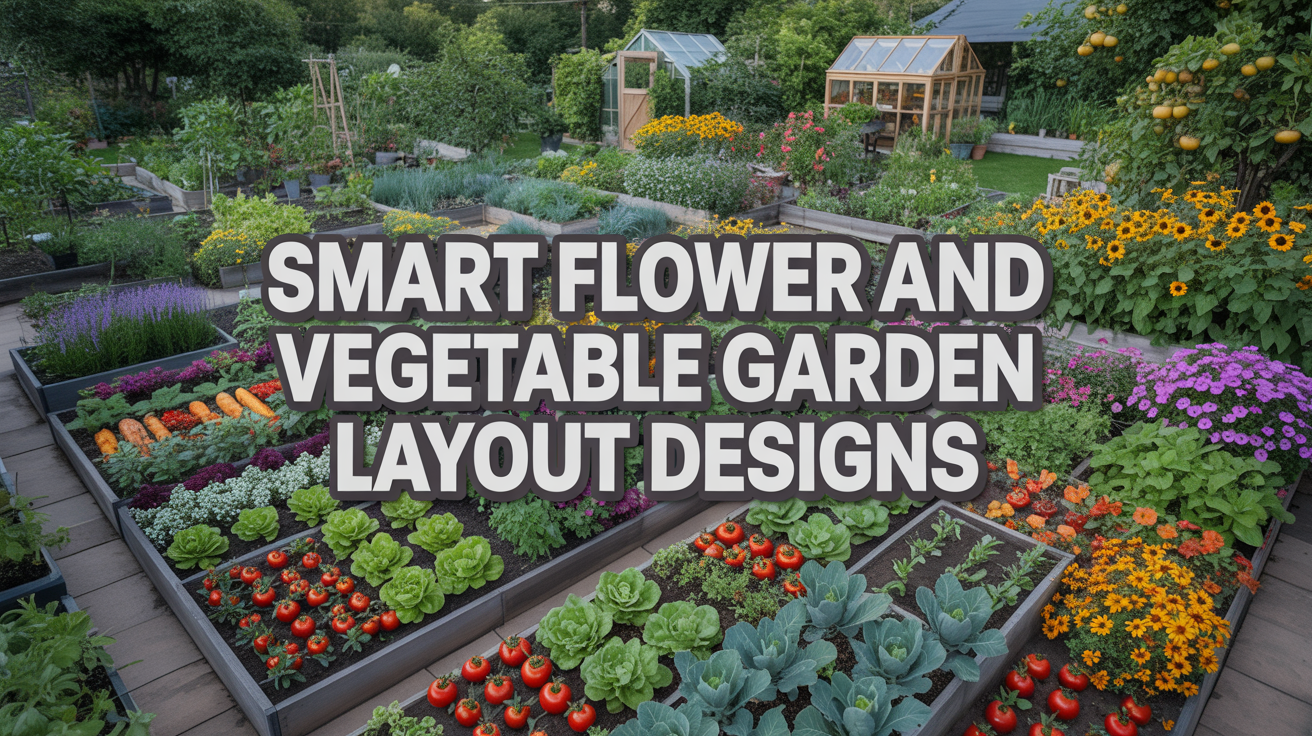

Planning your first garden? You’re probably staring at your yard, wondering where everything should go. I get it, figuring out which plants go where feels overwhelming. This guide shows you practical garden layouts that actually work.
You’ll see designs for small spaces, raised beds, and traditional plots. I’ve included spacing charts, companion planting tips, and seasonal planning ideas. Everything here comes from years of trial and error in real gardens, not just theory.
Here’s what makes this different: These layouts solve common problems like poor drainage, pest issues, and wasted space. I’ve tested these designs myself and talked to dozens of gardeners about what works.
You’ll walk away knowing exactly how to arrange your garden for healthy plants and easy harvests. No fancy equipment needed, just smart planning and simple techniques you can start using today.
Understanding the Concept of a Flower and Vegetable Garden

I like to think of it as mixing beauty with food. Your garden becomes more than rows of vegetables. It evolves into a colorful, textured space. I’ve seen dull veggie patches turn beautiful with just a few flowering plants mixed in. You add visual interest without extra effort. The combination brings life to every corner.
Here’s where it gets smart. Flowers attract pollinators like bees and butterflies to help your vegetables.
They also bring beneficial insects that protect your crops. Some flowers naturally deter pests. Every bloom has a purpose. You can use vertical growing methods, trellises let you grow more in less space.
This type of garden creates a biodiverse environment. More life means a healthier ecosystem. But there’s something else. When I walk through a mixed garden, I feel calmer. The combination of colors, movement, and life just works. You’ll notice it reduces stress and makes gardening more enjoyable.
Planning the Perfect Flower and Vegetable Garden Layout
Good planning saves you time, money, and frustration later.
Start with a Site Analysis

I always begin by watching my yard. You need to understand what you’re working with.
- Sunlight patterns: Spend a few days observing which areas get full sun and which stay shaded throughout the day.
- Soil and drainage: Check if your soil is clay, sandy, or loamy, and dig a small hole after rain to test how water moves.
- Wind and microclimates: Look for sheltered spots where warmth collects and note areas with strong gusts that can damage plants.
Define Your Goals

What do you want from this garden? I think most of us want balance.
- Your main focus: Decide if you’re aiming for food production, visual appeal, or a mix of both.
- Space limitations: Be honest about it no matter if you’re working with a small urban plot or a spacious yard.
- Time and preferences: Consider how much maintenance you can handle and choose plants that match your lifestyle.
Sketch and Measure

Grab paper and a measuring tape. Don’t overcomplicate it.
- Basic layout: Mark bed sizes, pathways, and focal points on your sketch to visualize the entire space.
- Access balance: Use keyhole or dead-end paths that curve into beds so you can reach plants without wasting growing area.
- Path width: Remember that wide paths mean easy access but less planting room, while narrow paths maximize space.
Core Design Principles for a Functional and Beautiful Layout
I’m going to show you how to design a garden that works harder and looks better. No fancy techniques. Just smart layouts.
- Grow in Blocks, Not Rows: Forget traditional farm rows and think compact blocks instead. Your crops form a living canopy that shades the soil, stops weeds, and keeps water in the ground longer.
- Add Height, Grow Vertically: Your garden doesn’t end at ground level; install trellises, A-frames, and arches to double your growing space without expanding your footprint.
- Plant Densely, Then Thin: Use the scatter-seeding method by sprinkling seeds thickly across blocks, then thin progressively as plants grow for continuous harvests and natural weed control.
Layout Strategies and Combinations
Your garden layout determines how well everything grows together. I’m going to show you proven combinations that work.
Mixing Flowers and Vegetables in Beds

Flowers don’t belong in separate beds. They belong with your vegetables. I tuck flowers into the corners and edges of my vegetable beds.
They attract pollinators, confuse pests, and make the garden beautiful while you wait for tomatoes to ripen.
- Marigolds with tomatoes, peppers, and squash
- Borage with strawberries
- Nasturtiums with okra
Start small. Add one flower variety to each bed. Watch what happens.
Use of Raised Beds and Borders

Raised beds give you control. You choose the soil. You control drainage. You decide what grows where.
I built raised beds for both edibles and flowers because the structure looks intentional, and the height makes harvesting easier.
- Long bloom time with minimal work
- Natural pollinator corridors
- Year-round structure and color
Plant perennial flower borders around your vegetable garden. Lavender, catmint, or yarrow creates a frame that blooms for months. The flowers come back every year, while your vegetables rotate.
Vining and Trellised Designs

Vertical structures do double duty. Install a trellis for cucumbers, and it grows food and adds visual interest.
I mix flowering vines with edible climbers, morning glories twist around pole beans, and sweet peas climb next to sugar snap peas.
- Entryway arches that welcome visitors
- Garden focal points that create structure
- Living walls that define spaces
Place them strategically. They become features, not just supports. The effect is beautiful.
Pathways and Access Planning

Your paths matter more than you think. Narrow pathways save growing space, and I use keyhole designs to reach bed centers without stepping on soil. Every inch counts in a small garden.
- Groundcover flowers along edges
- Nasturtiums that spill onto walkways
- Thyme that releases fragrance when brushed
Paths don’t have to be bare. Plant low-growing flowers along the edges for functional paths that look intentional. You get access that doubles as design.
Seasonal Flower–Vegetable Layout Planning

Each season brings different opportunities. I’m going to show you what to plant and when to pair flowers with vegetables for year-round success.
- Spring: Plant cool-season flowers like pansies, larkspur, and yarrow alongside lettuce, spinach, carrots, and peas for a productive and colorful start to the growing season.
- Summer: Combine heat-tolerant flowers like zinnias, marigolds, cosmos, and sunflowers with tomatoes, okra, beans, and cucumbers; they thrive in the same hot conditions and attract pollinators when your vegetables need them most.
- Fall: This is perennial planting time. Add coneflower, lavender, clover, and wildflowers to establish roots before winter, and pair them with kale, beets, radishes, and other fall root crops.
- Winter (in mild climates): Use hardy greens and cold-tolerant flowers like violas and calendula for off-season beauty; they keep your garden alive when most plants have gone dormant.
Advanced Space-Saving and Productivity Techniques
You’ve mastered the basics. Now I’ll show you how to squeeze even more from your garden without adding space.
- Companion Planting: Grow fast-maturing crops like radishes alongside slow-maturing carrots; the radishes harvest first, giving carrots room to expand while reducing weeds and maximizing soil use throughout the season.
- Succession Planting: Replace harvested crops immediately with new ones, like planting beans or beets after spring greens finish. This ensures year-round productivity and keeps every inch of soil working.
- Container Gardening: Use containers on patios and driveways to add height and portability to small spaces, or try straw-bale gardens as budget-friendly temporary raised beds for vegetables and flowers.
Maintenance and Care Tips
A beautiful garden needs consistent care. I’m going to show you the essential maintenance tasks that keep flowers and vegetables thriving together.
- • Watering Strategy: Adjust watering based on mixed plant needs. Vegetables like tomatoes need deep soaking, while flowers like zinnias tolerate drier conditions, so water zones separately when possible.
- • Pruning and Deadheading: Remove spent blooms regularly to encourage new flowers and prevent overcrowding. This keeps your garden producing and looking fresh throughout the season.
- • Fertilizing Approach: Rotate compost-rich beds and avoid overfeeding flowers at the expense of vegetables. Heavy feeders like tomatoes need more nutrition than most companion flowers.
- • Pest Management: Encourage natural predators through diverse planting, ladybugs, lacewings, and beneficial wasps arrive when you mix flowers with vegetables, creating a balanced ecosystem.
- • Soil Regeneration: Use green manures, mulch, and compost between planting cycles. Your soil gets better each season instead of depleting, and future crops grow stronger.
Conclusion
You now have real flower and vegetable garden layout designs that work for your space. No matter if you’re working with a small balcony or a full backyard, these plans give you a clear starting point.
The spacing guides, companion planting tips, and seasonal layouts take the guesswork out of garden planning. You know where each plant goes and why it belongs there. No more wasting space or wondering if you’re doing it right.
Start with one design that fits your space. Adjust it as you learn what your plants need. Every garden teaches you something new each season. If you found this helpful, share it with a friend who’s planning their garden. Drop a comment below about which layout you’re trying first. I’d love to hear what you’re growing this year.
Frequently Asked Questions
What is the best layout for a flower and vegetable garden?
The best layout depends on your space. For small areas, try vertical gardening or raised beds. Larger spaces work well with row planting or block designs. Mix tall plants at the back with shorter ones in front. Keep frequently harvested vegetables within easy reach near pathways.
How much space do I need between vegetables and flowers?
Most vegetables need 12-18 inches between plants. Flowers vary; y, compact varieties need 6-12 inches, while larger ones need 18-24 inches. Check seed packets for specific spacing. Good spacing prevents disease, improves airflow, and gives roots room to grow without competing for nutrients.
Can you mix flowers and vegetables in the same garden bed?
Yes, mixing flowers and vegetables works great. Flowers attract pollinators that help vegetables produce more fruit. Marigolds and nasturtiums repel pests naturally. Plant flowers along borders or between vegetable rows. Just ensure both plants have similar water and sunlight needs for best results.
What vegetables grow well next to flowers?
Tomatoes, peppers, lettuce, and beans thrive alongside flowers. Companion flowers like marigolds deter pests from tomatoes. Nasturtiums protect cucumbers and squash. Zinnias and sunflowers attract beneficial insects for all vegetables. Avoid planting flowers that spread aggressively near vegetables needing consistent spacing.
How do I plan a year-round flower and vegetable garden layout?
Plan in sections for seasonal rotation. Dedicate areas to cool-season crops like lettuce and pansies for spring. Reserve spots for warm-season tomatoes and zinnias in summer. Use succession planting, replacing harvested vegetables with new crops. Include perennial flowers for consistent blooms while rotating annual vegetables yearly.


