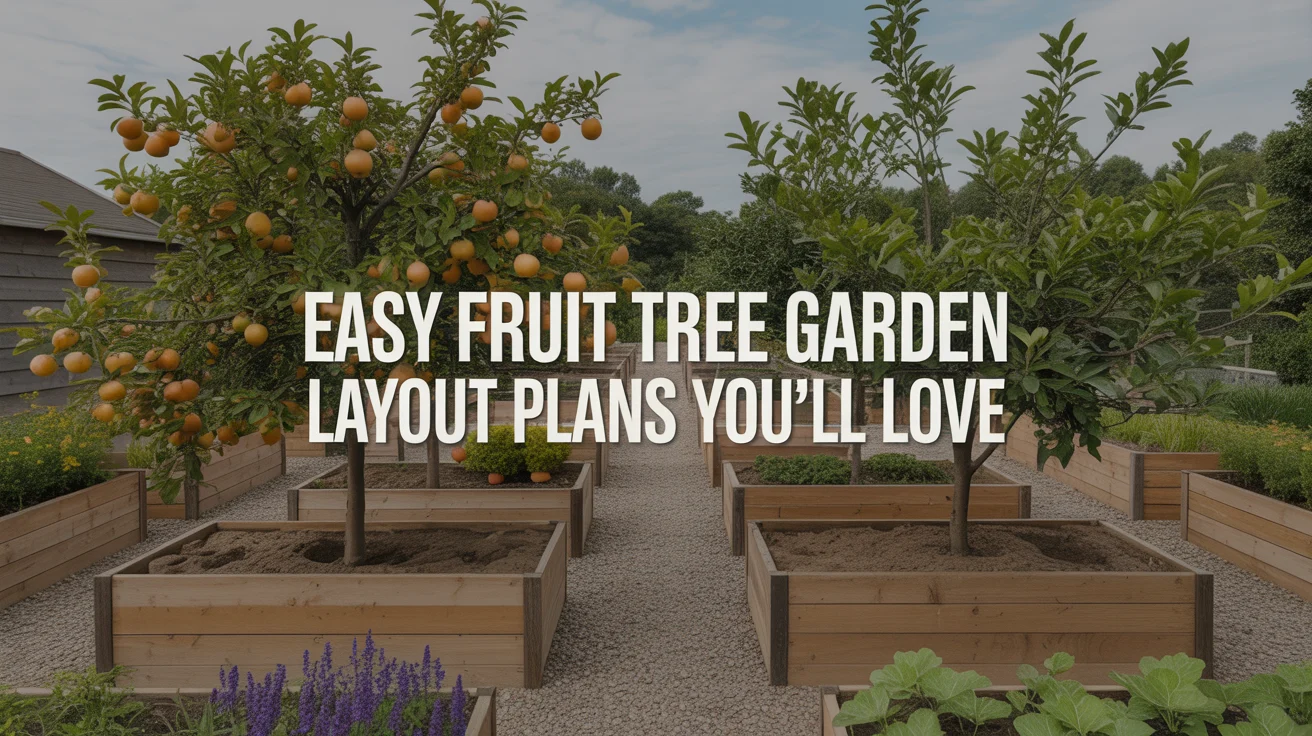

Growing fruit trees shouldn’t feel complicated. You want fresh apples, peaches, or citrus in your backyard, but figuring out where to plant everything can be overwhelming.
This guide shows you simple layout plans that actually work. You’ll see exactly how to arrange your trees for the best sunlight, spacing, and harvest. No confusing diagrams or fancy gardening terms, just straightforward plans you can follow this weekend.
I’ve spent years helping homeowners create productive fruit gardens. The layouts here come from real experience, not theory. No matter if you have a tiny yard or acres of space, you’ll find a plan that fits. Let’s get your fruit trees planted in spots where they’ll thrive for decades.
Understanding the Basics of a Fruit Tree Garden Layout

Before you plant a single tree, you need to understand your space. I’m going to walk you through the essentials that make or break a fruit garden. These aren’t complicated rules, just practical factors that actually matter.
Factors That Influence Your Design
- Sunlight: Most fruit trees need 6–8 hours of direct sun daily. Without it, you’ll get fewer fruits and weaker trees. But here’s good news: if you have shady spots, try currants or gooseberries.
- Soil and Drainage: Test your soil pH before you buy trees. Different fruits prefer different levels. Poor drainage kills more trees than drought does. If water pools after rain, you need to improve drainage or choose a different spot.
- Water Access: Place your garden near a water source. Hauling hoses across your yard gets old fast. Young trees need consistent watering, especially in their first two years.
- Wind and Frost Exposure: Avoid low spots where cold air settles, these are frost pockets. They damage blooms in spring and reduce your harvest. Strong winds can break branches and stress trees.
- Space and Scale: Be honest about your available area. Small yards work great for dwarf trees or espalier designs. Large backyards can handle standard-sized trees in traditional rows.
Common Garden Layout Styles
- Traditional Orchard Rows: This classic approach works best for large spaces. Space your rows 4–7 meters apart, depending on tree size. It makes mowing and harvesting easier.
- Cluster or Circle Layouts: Group 2–4 compatible trees together in clusters. This boosts pollination naturally. Your yield increases. It also looks more natural than rigid rows.
- Espalier or Trellised Designs: Perfect for narrow areas along fences or walls. You train trees to grow flat against a structure. This saves massive amounts of space.
Choosing the Right Fruit Trees for Your Space
Picking the wrong tree wastes years of your life. I’ve seen people plant peach trees in cold zones and wonder why they never get fruit. You need to match your trees to your actual conditions, not the garden you wish you had.
Climate and Site Considerations

Your climate determines what will actually grow. Check your USDA hardiness zone first. Then look at your rainfall and summer heat levels.
Hot, Dry Climates
These areas need tough, drought-tolerant trees. Most traditional fruits will struggle without constant watering.
- Jujubes: Incredibly drought-tolerant once established. They produce sweet, date-like fruits even in scorching heat.
- Figs: Thrive in Mediterranean climates with hot, dry summers. They need minimal water after the first year.
- Persimmons: Handle dry conditions remarkably well. They also tolerate poor soil better than most fruit trees.
Don’t fight your climate. A fig tree produces abundantly in Arizona but struggles in Seattle.
Cooler or Coastal Climates
Cold winters and mild summers favor different fruits. These trees actually need winter chill to produce well.
- Apples: Require 500–1000 chill hours depending on variety. They’re reliable producers in zones 3–8.
- Pears: Even more cold-hardy than apples. They bloom later, avoiding late spring frosts.
- Sea Berries: Tolerate salt spray and coastal winds. Perfect for properties near the ocean.
Coastal gardeners have an advantage with stone fruits, too. The mild summers prevent many common diseases.
Size and Growth Habits

Tree size affects everything from spacing to how often you prune. Standard trees can reach 6–9 meters tall. Dwarf varieties max out at 2–3 meters.
Standard, Semi-Dwarf, and Dwarf Varieties
Size impacts your entire layout and maintenance schedule. Choose based on your actual space, not what looks good in the nursery catalog.
- Standard trees: Need 6–9 meters of space. They live 50+ years and produce massive harvests. You’ll need ladders for pruning and picking.
- Semi-dwarf trees: Require 4–5 meters spacing. They balance production with a manageable size. Most homeowners find these ideal.
- Dwarf trees: Fit in 2–3 meter spaces. You can reach every branch from the ground. They fruit within 2–3 years instead of 5–7.
Dwarf doesn’t mean less fruit per square meter. It means fewer trees to maintain.
Container-Friendly Trees
Some trees adapt perfectly to pots and planters. This opens up patios, balconies, and rental properties for fruit growing.
- Citrus trees: Lemons, limes, and kumquats thrive in large containers. Move them indoors during winter in cold climates.
- Figs: Their shallow roots make them natural container plants. A 40-liter pot works for years.
- Dwarf apples: Stay productive in containers with proper feeding. Choose self-pollinating varieties for simplicity.
Use quality potting mix, not garden soil. Container trees need more frequent watering and fertilizing than in-ground trees.
Pollination and Variety Selection

Many fruit trees can’t pollinate themselves. Apples need another apple variety nearby. No pollinator means no fruit. This surprises new gardeners every year.
Tips for Extending Harvest Seasons
Choose varieties that ripen at different times. This prevents the “too much at once” problem most gardeners face.
- Early-season varieties: Ripen in early summer. These give you the first fresh fruits when you’re craving them most.
- Mid-season varieties: Peak in late summer. They’re usually the most abundant producers with the best flavor.
- Late-season varieties: Harvest in fall. Many store well through winter in a cool basement or garage.
I plant one tree from each season for apples, pears, and plums. This gives me fresh fruit from July through October instead of drowning in harvest for two weeks. Your family will actually eat everything instead of wasting half the crop.
Smart Design Strategies for Any Garden Size
Size doesn’t matter as much as you think. You can grow fruit in almost any space. The secret? Smart layout choices that work with your available area.
Small and Urban Garden Layouts

- Vertical Gardening: Use trellises, pergolas, and wall supports to grow grapes, kiwis, and passionfruit upward, maximizing limited ground space
- Espalier Layouts: Train fruit trees flat against walls or fences to yield 60-100 apples from just 8 feet while creating beautiful, compact designs
- Fruit Tree Circles: Place 3-5 dwarf trees around a central compost core for natural feeding and space-efficient production
- Multi-Planting in One Hole: Plant 2-4 trees together in one spot for multiple varieties and staggered harvests without extra space
Medium and Large Backyard Layouts

- Layered Fruit Forest Design: Mix tree heights, tall canopy, medium shrubs, low groundcovers, for maximum production and continuous harvests
- Three-Zone Planting System: Zone 1 for sun-loving fruits, Zone 2 for shade-tolerant berries, Zone 3 for ground-level strawberries and blueberries
- Pollinator-Friendly Borders: Surround plantings with lavender, borage, and wildflowers to attract pollinators and boost fruit production naturally
Functional & Aesthetic Design Principles

- Pathway Planting: Line walkways with dwarf or espalier trees to create edible corridors that maximize every square foot
- Focal Point Trees: Use mature apple or citrus trees as visual anchors that provide structure, beauty, and abundant harvests
- Mix with Ornamentals: Pair blueberries with marigolds and lavender for beauty, pest control, and multiple benefits in one bed.
- Edible Privacy Screens: Replace hedges with columnar apples or hawthorns for productive, space-saving living fences
Start with your space today. Apply one or two strategies. Watch your garden improve.
Step-by-Step Layout Planning Guide
Planning your fruit garden doesn’t need to be complicated. I’ll walk you through five simple steps that work every time. You’ll create a layout that produces food and looks great.
Step 1: Map Your Garden

Start by sketching your space on paper. Notice where sunlight hits throughout the day. Mark the bright spots and shady areas.
Now add everything permanent. Draw your house, driveway, fences, and existing trees. These fixed elements help you decide where new trees should go.
Step 2: Select Tree Types and Positions

Match your trees to the light they need. Sun-loving fruits go in bright zones. Shade-tolerant varieties fit under taller trees.
- Dwarf trees: 6–10 ft apart
- Semi-dwarf: 12–15 ft apart
- Standard: 18–25 ft apart
Cramped trees compete for nutrients and sunlight. Proper spacing means healthier growth and bigger harvests.
Step 3: Plan for Water and Soil Access

Your trees need consistent water to thrive. Install drip irrigation for hands-off watering. Or spread 4–6 inches of mulch to lock moisture in the soil.
Add a composting zone near your fruit trees. A worm tower works even better. Your trees feed themselves when nutrients cycle naturally through the soil.
Step 4: Add Companion Plants

Some plants protect your fruit trees naturally. Garlic, basil, and chives keep pests away. They also pull in the pollinators you need.
Plant clover or comfrey around tree bases. These living mulches improve soil health year after year. You get natural fertilizer without buying bags or spreading chemicals.
Step 5: Visual Balance and Maintenance Access

Leave clear paths between your trees. You need room to prune, harvest, and water without stepping on roots.
Design with gentle curves or simple symmetry. Beauty and function work together. Your garden becomes a place you actually want to spend time in, not just another chore.
Conclusion
You now have everything you need to create a fruit tree garden layout that works. Whether you choose the backyard orchard design, the small space plan, or the homestead setup, you’re ready to plant with confidence.
Your trees will have room to grow, get proper sunlight, and produce fruit for years to come. No more guessing about spacing or worrying if you planted them wrong.
Start with one layout and adjust as you learn what works best in your yard. Your fruit garden doesn’t need to be perfect; it just needs to get started. Which layout are you trying first? Drop a comment below and let me know what trees you’re planting.
Frequently asked questions
What is the best fruit tree garden layout for beginners?
Start with a simple row layout spacing trees 15-20 feet apart. Plant similar fruit types together for easier care. This straightforward design gives trees room to grow while keeping maintenance simple. It works well in most backyards and doesn’t require special planning skills.
How far apart should I space fruit trees in my layout?
Standard trees need 15-20 feet between them. Dwarf varieties work fine with 8-10 feet of spacing. Semi-dwarf trees do well at 12-15 feet apart. Proper spacing prevents overcrowding, ensures good airflow, and gives each tree enough sunlight and nutrients to produce healthy fruit.
Can I mix different fruit trees in one garden layout?
Yes, you can mix different fruit trees successfully. Group trees with similar water and sunlight needs together. Apples and pears work well together, while stone fruits like peaches and plums make good neighbors. Just maintain proper spacing between all varieties.
What’s the best fruit tree garden layout for small yards?
Use dwarf fruit trees in a compact square or triangle pattern with 8-10 feet spacing. Espalier trees along fences save space beautifully. Container-grown fruit trees on patios also work great. These approaches let you grow multiple varieties without needing a large yard.
Should fruit trees face a certain direction in the layout?
Plant taller trees on the north side so they don’t shade shorter ones. Most fruit trees need full sun, at least 6-8 hours daily. Avoid planting on the south side of buildings where heat reflects intensely. Good southern exposure works best for maximum fruit production.